

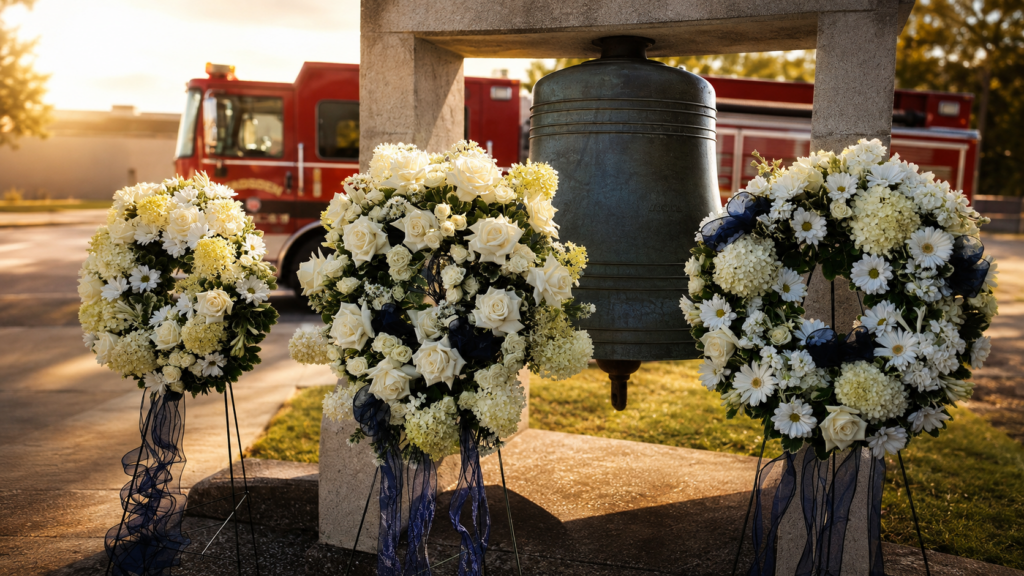
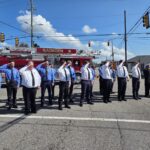
GADSDEN– Fifty years after three Gadsden firefighters answered an alarm from which they would never return, a Gadsden firefighter memorial brought their families, fellow firefighters, city leaders, and community members together Monday morning to remember their sacrifice.
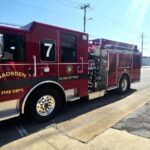
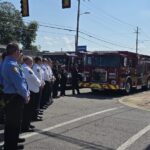
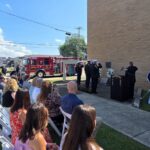
The Gadsden Fire Department and City of Gadsden conducted the 50th anniversary memorial service at 10 a.m. Monday, August 31, at Central Fire Station, 322 Walnut Street.
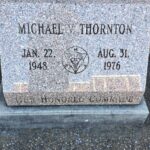
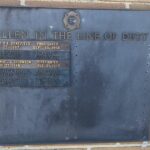
The ceremony honored Fire Chief James Ralph Speer, Fire Medic Michael Adrian Patrick, and Fire Medic Michael Vann Thornton. All three died following a catastrophic fire and explosion on August 31, 1976.
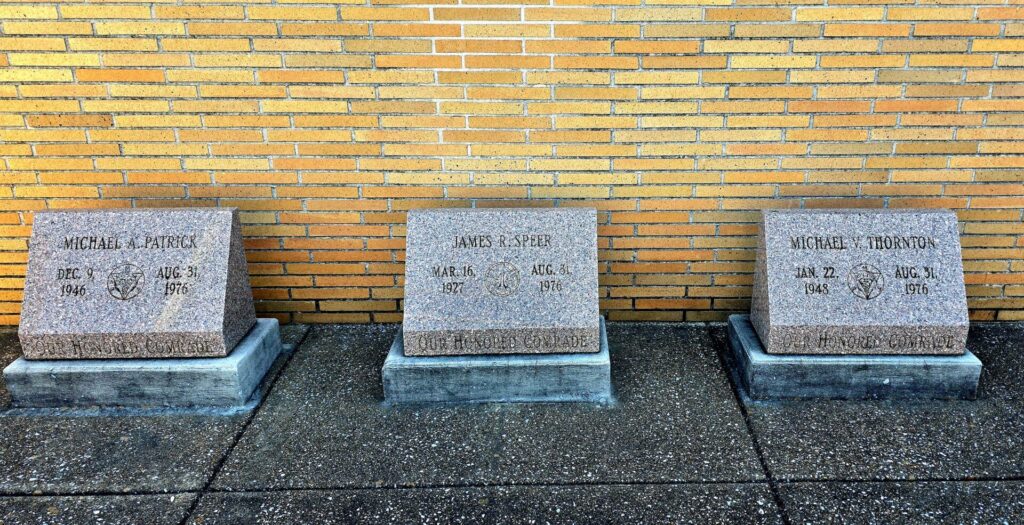
The tragedy forever changed the department and left its mark on generations of Gadsden firefighters.
On Monday, however, those gathered focused on more than the way the three men died. They remembered the lives they lived, the service they gave, and the families who shared in that service.
The ceremony also carried a responsibility for those who followed them: keep their names and legacy alive.
“We Would Never Forget Their Loss”
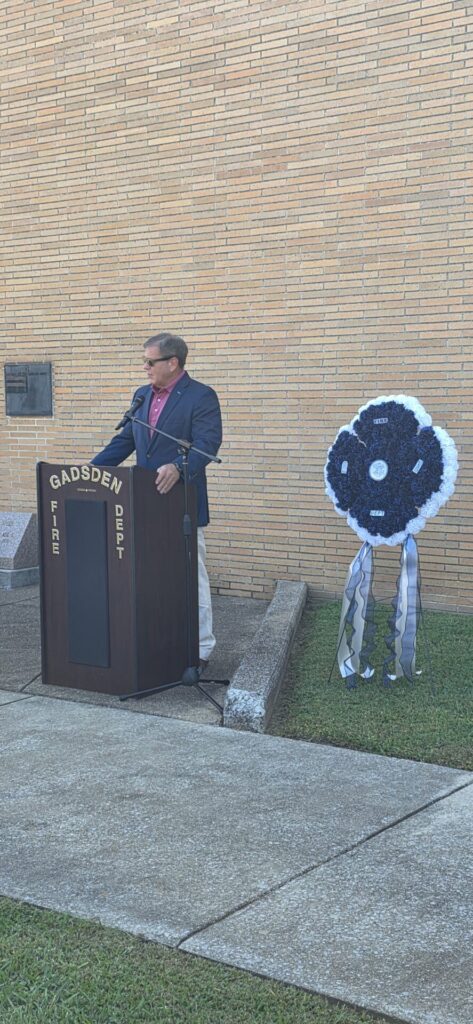
Gadsden Mayor Craig Ford opened the ceremony by greeting the crowd and recognizing members of the Gadsden Fire Department in attendance.
Ford also thanked the families of the fallen firefighters for coming to remember their loved ones.
He told those gathered that the city “would never forget their loss.” Ford said ceremonies such as Monday’s remain important because they keep the memory of that sacrifice alive for generations who were not there 50 years ago.
Following Ford’s remarks, Lt. Puttman led the gathering in prayer.
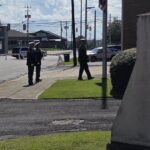
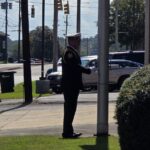
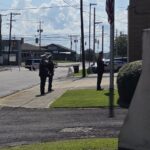
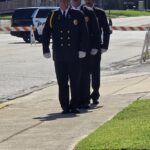
Members of the Gadsden Fire Honor Guard then raised the station flag before lowering it to half-staff in honor of the fallen.
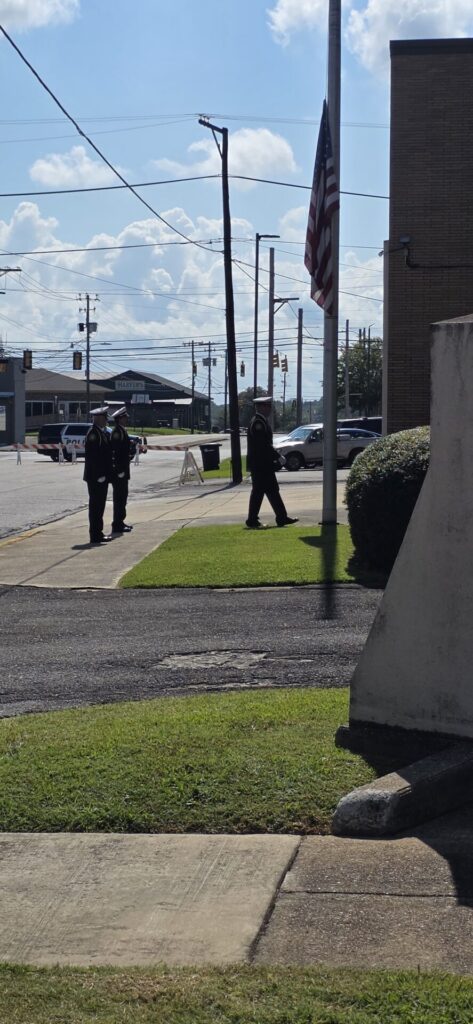
The setting outside Central Station carried a special significance.
Central Fire Station became the James R. Speer Fire Station on March 22, 1977, according to the department’s official history. The department also conducted a memorial service there for Speer, Patrick, and Thornton less than seven months after their deaths.
Half a century after the tragedy, their families and another generation of Gadsden firefighters returned to that same station to remember them again.
More Than Names on a Memorial
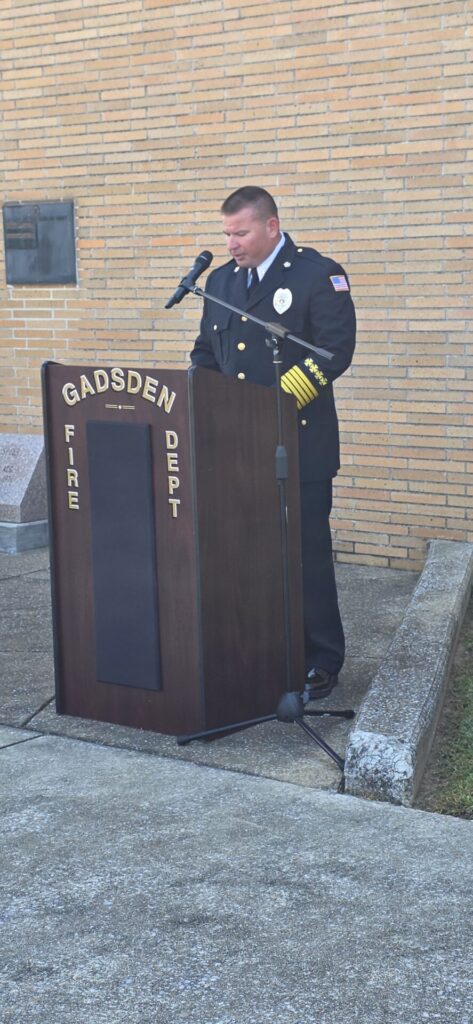
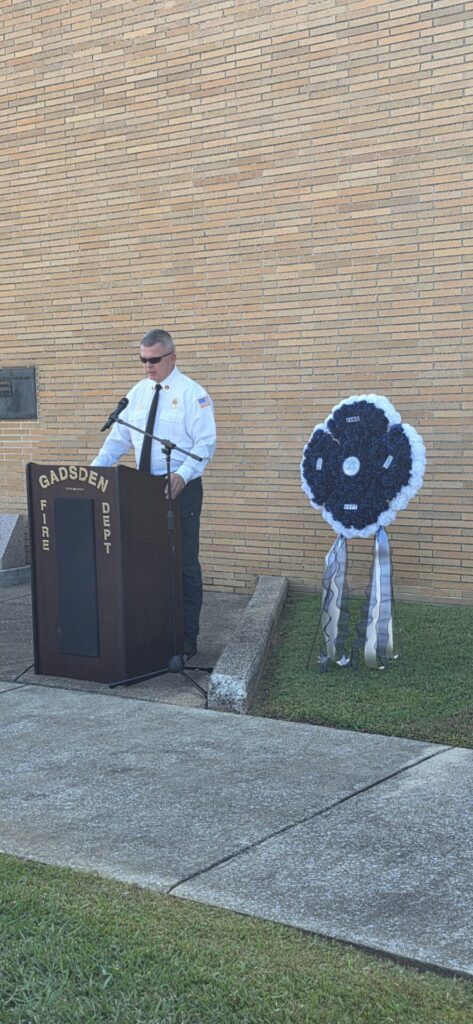
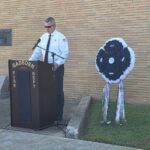
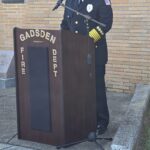
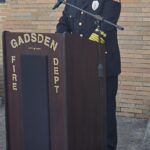
Fire Chief Vance Brown took the podium and turned the ceremony’s attention toward the lives behind the names.
Brown reminded those gathered that firefighters begin each shift without knowing what the next alarm may bring.
For Speer, Patrick, and Thornton, the call that came on August 31, 1976, became their final one. Still, Brown said their identities should never come down only to the circumstances of that final alarm.
“They were fathers, they were sons, they were brothers, friends, and co-workers,” Brown said.
They shared the everyday experiences that create lifelong bonds inside a fire station. They laughed around the kitchen table, trained together, rode the apparatus together, and stood shoulder to shoulder.
Their absence, Brown said, left empty places that could never truly be filled.
Yet their service continued through the firefighters who came after them.
“Their service did not end with their final alarm,” Brown said.
Their influence lives on, he said, each time a firefighter puts on the uniform and remembers the example left by those who served before them.
That legacy continues when firefighters train harder, take better care of one another, and answer another person’s call for help.
The Bell and the Final Alarm
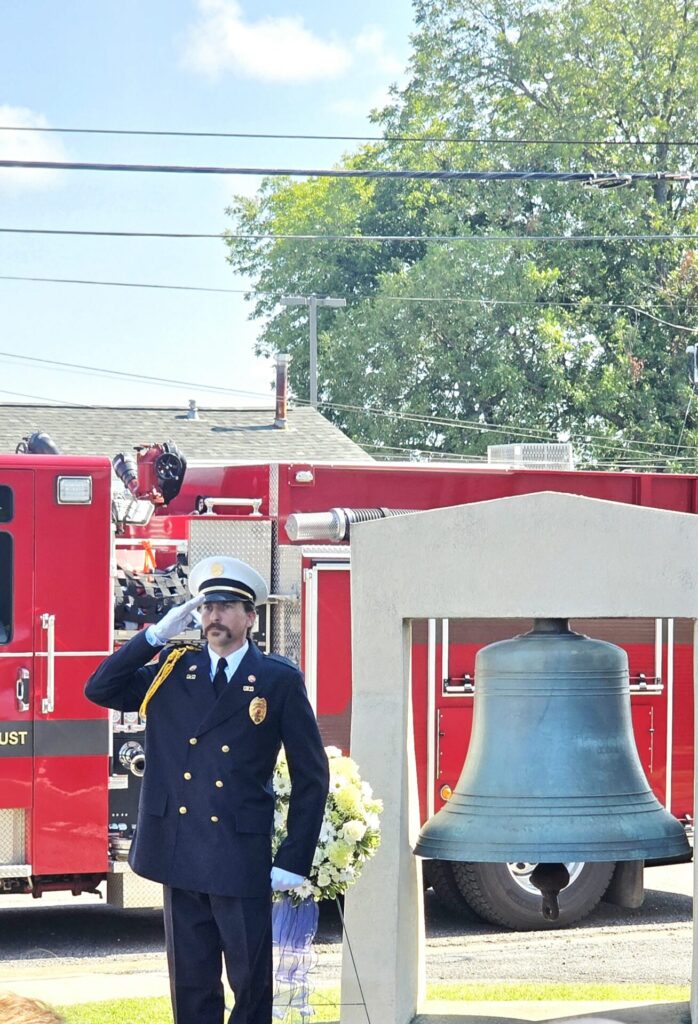
Brown also spoke about one of the oldest traditions in the fire service — the ringing of the bell.
For generations, bells marked a firefighter’s day. They called firefighters to duty, summoned them to emergencies, and signaled when their work had ended.
When a firefighter dies in the line of duty, that final ringing carries a much deeper meaning.
“For our fallen brothers, the bell may have sounded for the final time, but what they stood for continues,” Brown said.
“Their courage remains. Their sacrifice remains. Their names remain, and their legacy remains.”
Brown said every firefighter who follows in their footsteps carries that legacy forward.
His attention then turned directly to the families.
The sacrifice of public service does not belong only to the person wearing the uniform, Brown said. Families also live with missed holidays, interrupted meals, sleepless nights, and the uncertainty that comes whenever someone they love leaves home to answer an emergency.
“Your loved ones served our communities, but you’ve shared in that service,” Brown told them.
“Their sacrifice was also your sacrifice.”
Brown assured the families that the fire service would continue honoring the men they lost and carrying their memories forward.
Remembering How They Lived
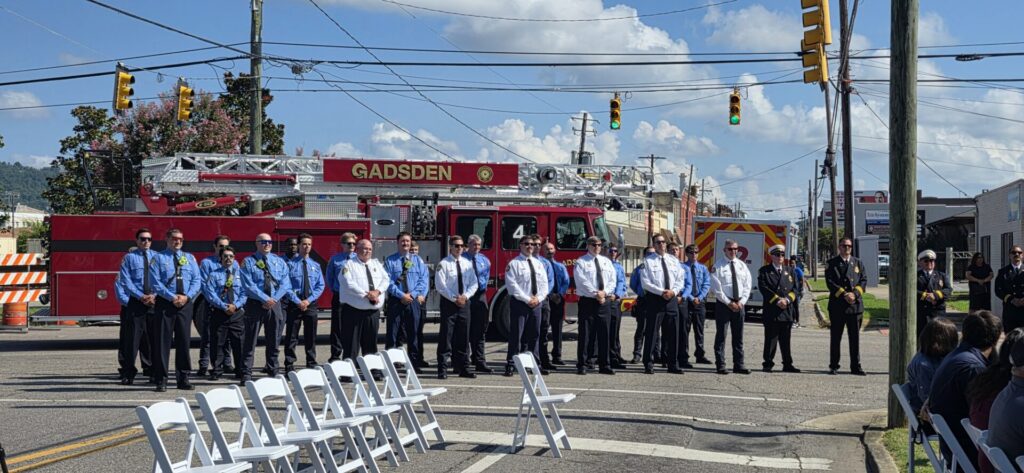
Perhaps the central message of Brown’s remarks came when he challenged today’s firefighters to remember more than the tragedy itself.
“The greatest tribute we can give those we have lost is not simply to remember how they died, but to remember how they lived,” Brown said.
“They lived with courage. They lived with purpose. They lived in service to others.”
Then, in an unscripted reminder that the work of the fire service never stops, fire tones sounded during Brown’s remarks.
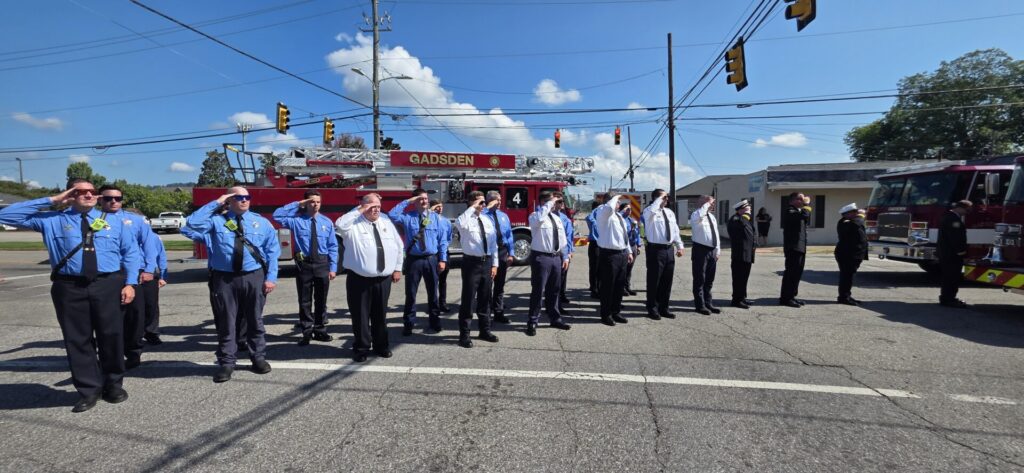
He acknowledged them as he continued speaking.
Whenever the tones drop and firefighters climb aboard the apparatus, Brown said, they should carry the example of those who came before them.
When another firefighter struggles, they should stand beside them. When the community calls, they should answer with the same courage and compassion demonstrated by previous generations.
Future firefighters also need to know the stories behind those traditions.
Brown said today’s firefighters have a responsibility to make sure the next generation knows the names of those whose sacrifices helped build the fire service they inherited.
“Today, we mourn, but we also give thanks,” Brown said.
He gave thanks for their lives, their friendship, their courage, and the privilege of having served beside them.
“May their families find strength in knowing that their loved ones made a difference,” Brown said. “May our communities never forget their sacrifice. And may we, as firefighters, always be worthy of the legacy those guys left behind.”
He closed with words directed toward the fallen.
“Your duty is complete. Your sacrifice is remembered.”
August 31, 1976
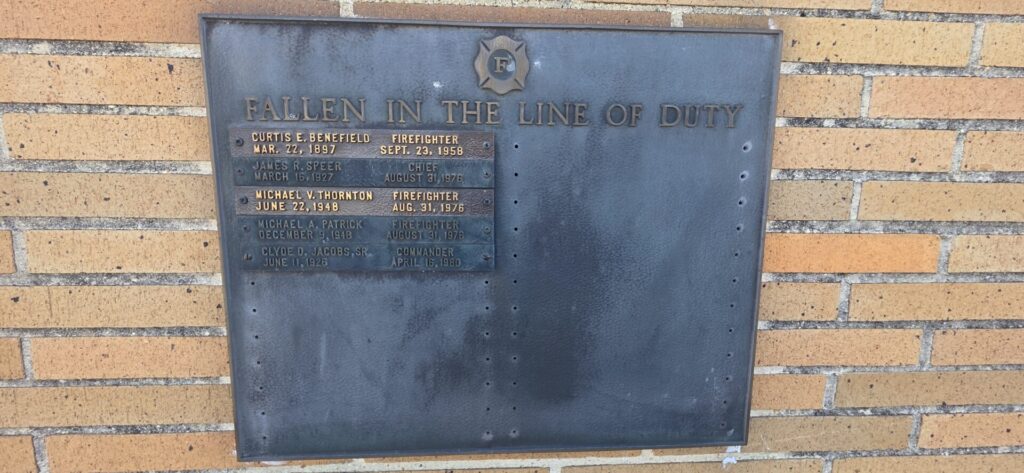
Those words carried the gathering back 50 years.
On August 31, 1976, Gadsden firefighters responded to a service station outside the city limits on Piedmont Highway.
A fire involving gasoline storage at the station escalated into a catastrophe. An explosion killed Speer, Patrick, and Thornton and injured more than two dozen firefighters and civilians.
The City of Gadsden declared a period of mourning following the disaster.
The loss struck a fire department that had entered a period of significant change.
Speer became Gadsden’s fire chief in May 1969 and led the department for more than seven years before his death.
Patrick and Thornton represented another part of that changing fire service.
Gadsden launched its Fire Medic program in January 1975, only about 19 months before the explosion. According to the department’s history, Gadsden operated only the third such program in Alabama.
Fire Medics answered fires, serious vehicle crashes, and other emergencies, expanding the department’s role in emergency medical response.
The deaths of Speer, Patrick, and Thornton therefore reached across different generations of the department — its chief and two members of one of its newest emergency-response programs.
The disaster also drew attention far beyond Gadsden.
The National Transportation Safety Board later examined the explosion as part of a special investigation into safeguards during bulk gasoline deliveries to service stations with above-ground storage tanks.
Federal records reported three firefighters dead, 28 people injured, and an estimated $4 million in losses. The investigation ultimately produced six safety recommendations involving gasoline-handling equipment and storage-tank safety.
What happened in Gadsden became more than a tragic moment in one city’s history. Lessons from the disaster contributed to a larger national examination of how similar catastrophes could be prevented.
Their Names Remain
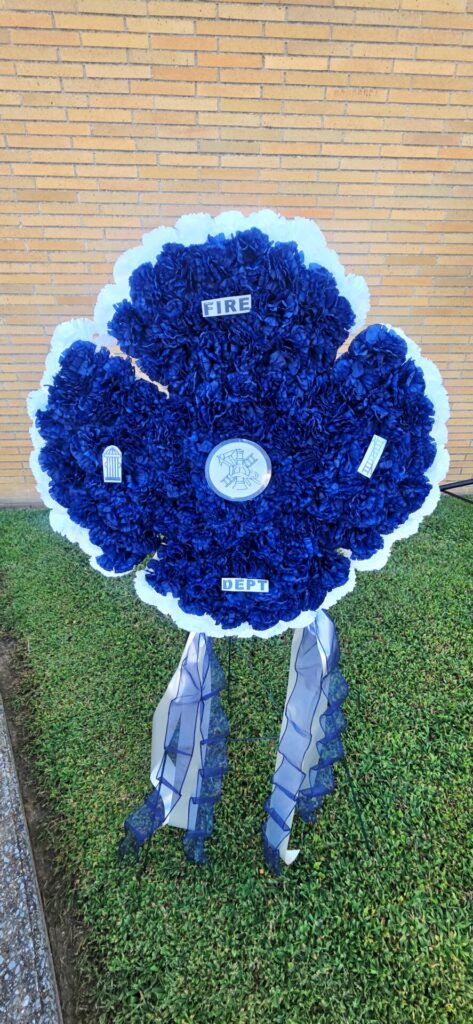
Monday’s ceremony ultimately returned from the history of the disaster to the three men at the center of it.
One by one, the names of the fallen firefighters echoed outside the station.
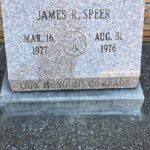
Fire Chief James Ralph Speer.
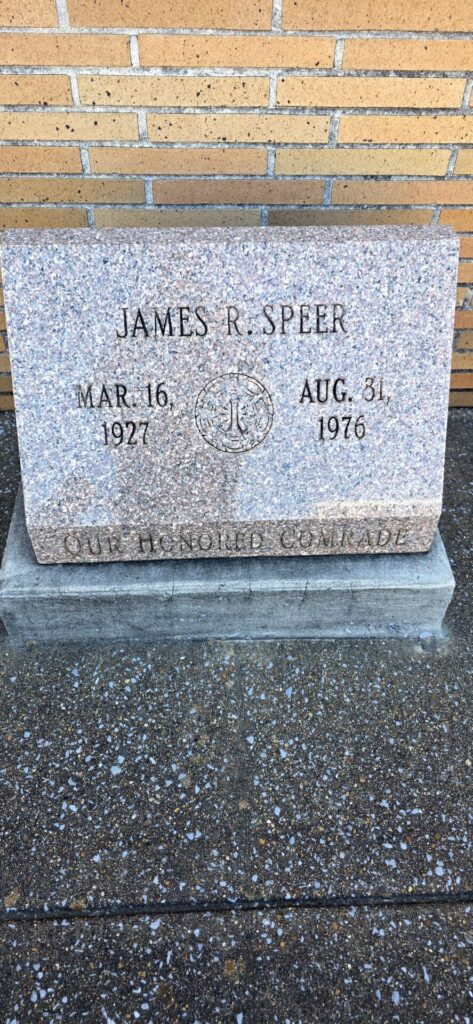
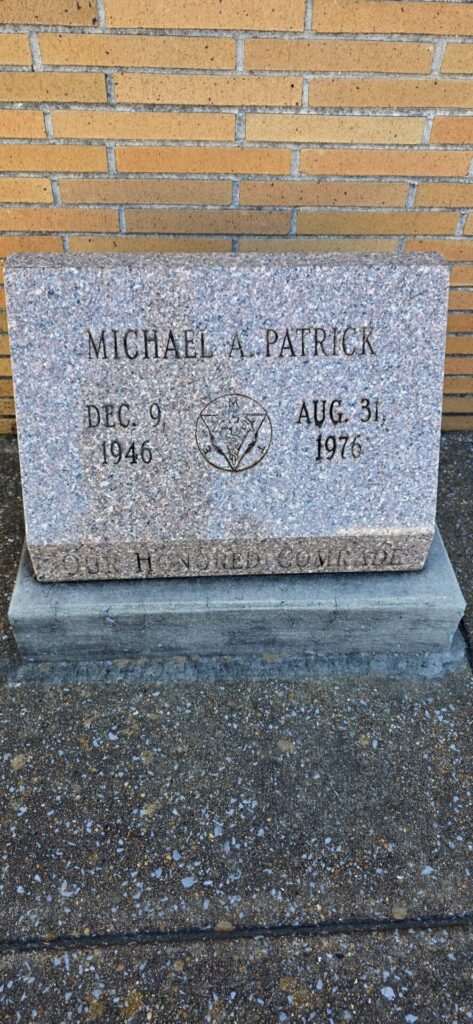
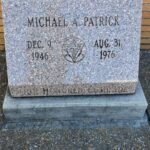
Fire Medic Michael Adrian Patrick.
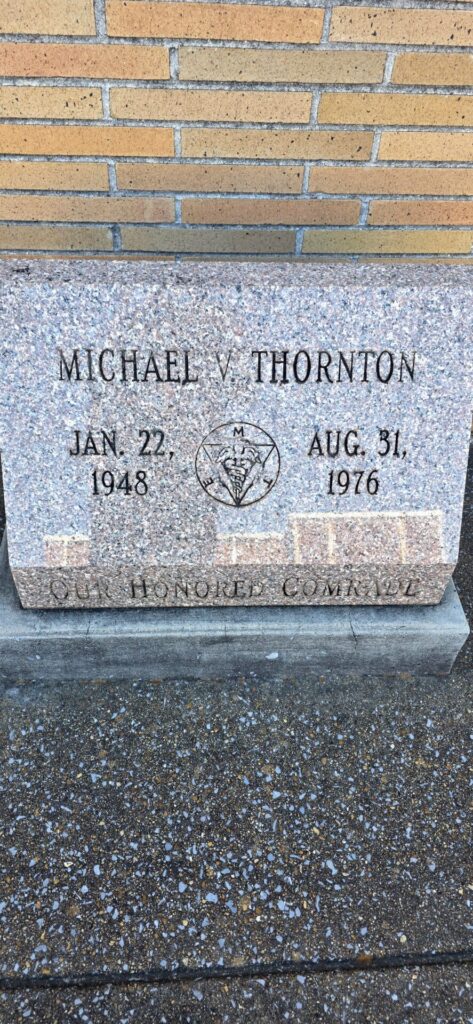
Fire Medic Michael Vann Thornton.
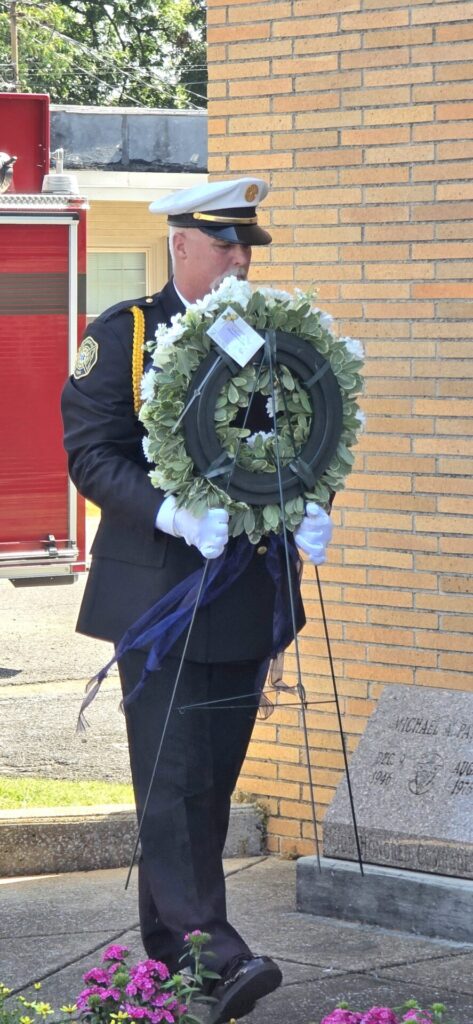
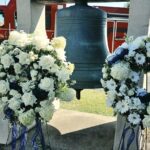
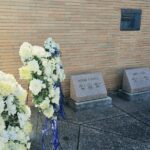
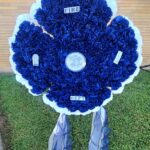
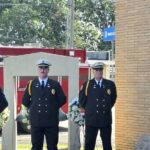
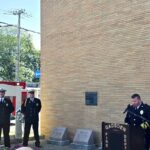
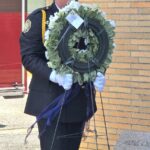
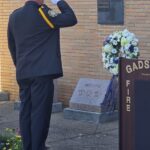
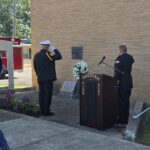
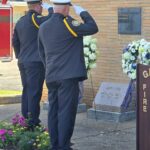
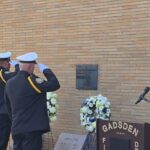
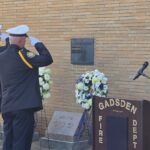
Members of the Gadsden Fire Honor Guard placed a wreath at each man’s memorial beside the station.
Then came the bell.
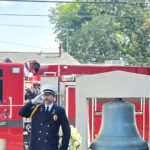
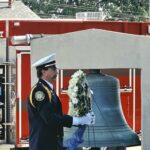
A bell on a fire apparatus rang in their memory, carrying forward the fire-service tradition Brown had described moments earlier.
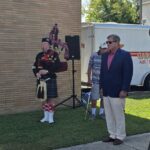
The ceremony grew quiet as Pipe Major Joseph Morrison of the Ian Sturrock Memorial Pipe Band began to play.
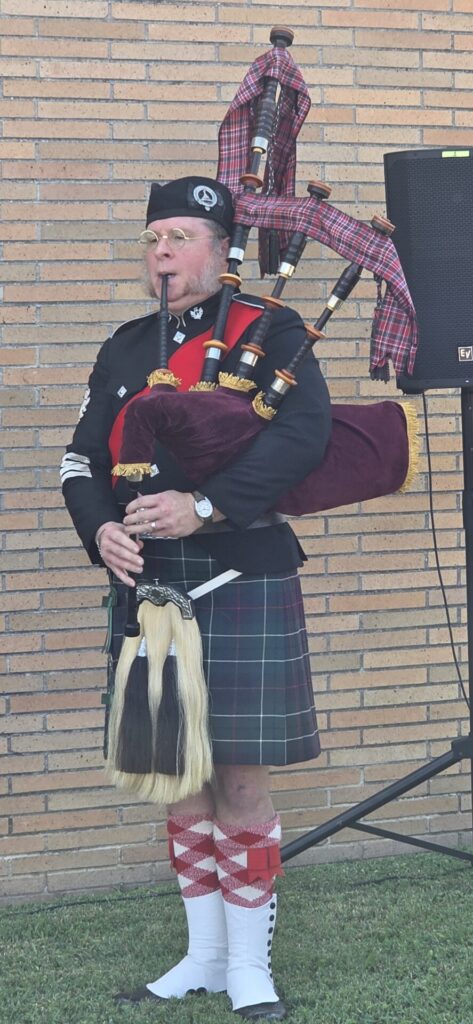
The unmistakable notes of “Amazing Grace” filled the air outside Central Station as the sound of the bagpipes carried across the place where generations have gathered to remember the fallen.
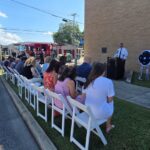
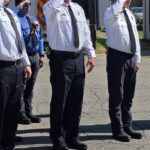
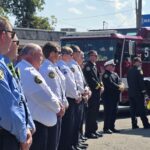
Families stood alongside firefighters.
Current department members honored men who wore the same uniform long before many of them entered the fire service.
Wreaths rested at the memorials, while the station flag remained at half-staff.
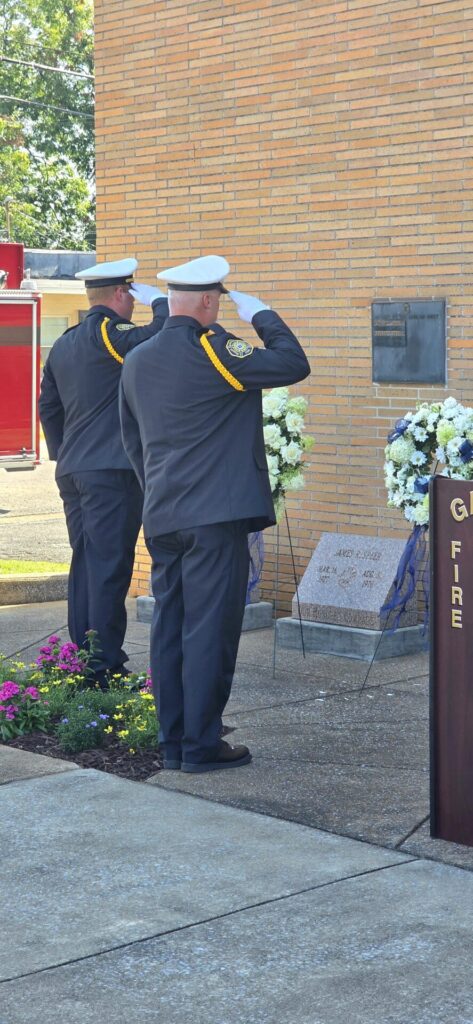
Fifty years after an August afternoon forever changed the Gadsden Fire Department, Monday’s ceremony fulfilled the promise repeated throughout the morning.
Time would not erase their names.
Their sacrifice would not become simply another line in the department’s history.
Speer, Patrick, and Thornton remain part of the traditions carried forward by those who answer the alarm after them — firefighters who train together, ride together, care for one another, and step forward when someone in their community calls for help.
Their final alarm sounded 50 years ago.
Their legacy did not end with it.
Gallery:









You must be logged in to post a comment.