


ANNISTON — Emergency shelter services at Martha’s Hope: The Martha Vandervoort Center to End Homelessness will continue through July 31, 2026, as United Way of East Central Alabama transitions away from operating the facility, according to a public update released Monday by the City of Anniston.
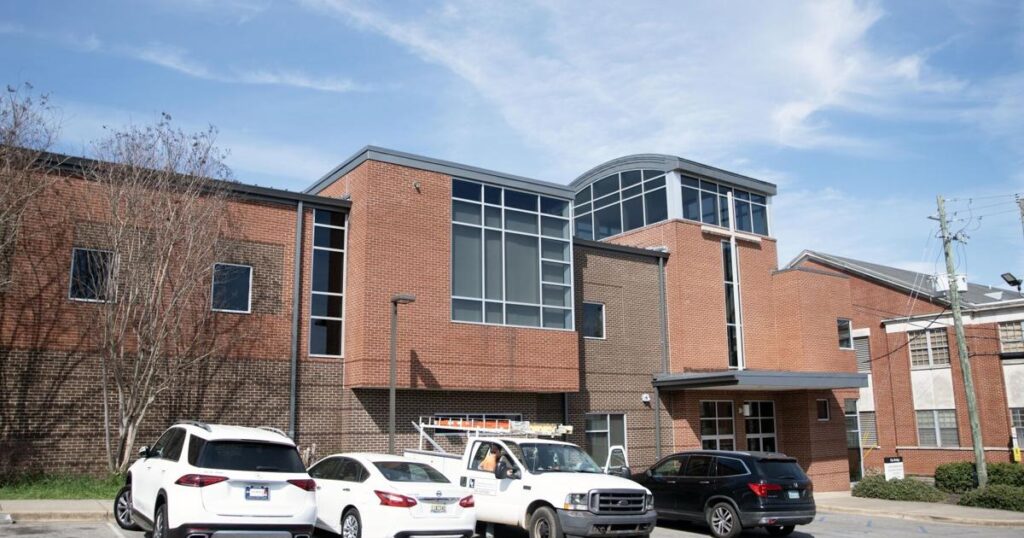
City officials said they have been in ongoing discussions with United Way regarding the future of the shelter and acknowledged the organization’s decision to move away from the current emergency shelter model after reviewing the financial and operational challenges associated with maintaining the facility.
According to the city, operating an emergency shelter requires substantial resources, including daily funding, staffing, facility management, security, case management, volunteer coordination, and long-term operational support.
City leaders said they understand and support the decision and expressed appreciation for United Way’s efforts in operating the shelter.
Martha’s Hope was established through a multi-organizational Homelessness Task Force created by the City of Anniston to address growing homelessness needs throughout the region. The city said the project was founded on the belief that homelessness, emergency shelter access, transitional services, and extreme-weather response require cooperation among multiple organizations and stakeholders.
Officials expressed gratitude to United Way, Martha’s Hope staff, the family of Martha Vandervoort, donors, volunteers, nonprofit organizations, faith-based groups, healthcare partners, public safety agencies, and others who have contributed to the shelter’s mission.
As the transition moves forward, United Way’s immediate focus will be working individually with current shelter guests to assess their needs and identify housing opportunities, support services, placements, and other available resources. City officials said they appreciate efforts to ensure those affected by the transition are treated with dignity and respect.
The city also noted that Martha’s Hope has served individuals and families from across Northeast Alabama, underscoring what officials described as a regional challenge that extends beyond the responsibility of any single city, organization, or facility.
According to the release, homelessness impacts public health, public safety, neighborhoods, businesses, first responders, and overall community well-being. City leaders said sustainable solutions will require continued regional cooperation and support.
Anniston officials reaffirmed their commitment to ensuring emergency shelter options remain available during dangerous weather conditions, including freezing temperatures and other severe weather events that pose risks to public health and safety.
The city said future shelter options could involve continued partnerships, a revised operating model, use of a city-owned facility such as the Carver Community Center, or other arrangements designed to provide emergency shelter during critical situations.
Officials emphasized that emergency shelter services represent only one component of addressing homelessness. Long-term solutions, they said, will require coordinated housing efforts, mental health and substance abuse resources, employment assistance, transportation access, healthcare partnerships, and ongoing case management.
The City of Anniston said it will continue working with United Way, service providers, regional partners, public safety agencies, and community stakeholders as plans for the future of homelessness services are developed.
Additional information is expected to be released as those plans are finalized.



You must be logged in to post a comment.