

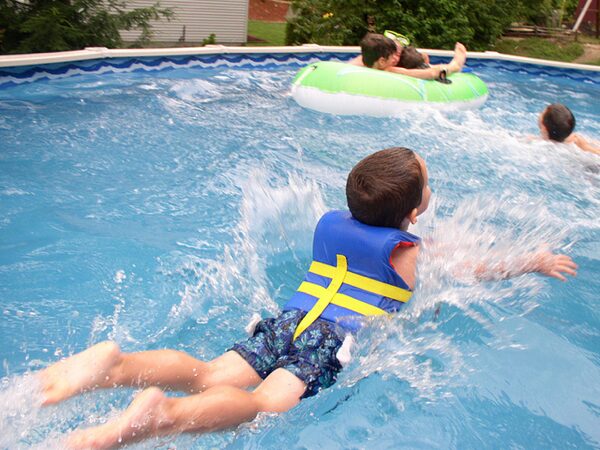
MONTGOMERY, Ala. — As swimming season begins across Alabama, the Alabama Department of Public Health (ADPH) is encouraging families to take precautions to stay healthy and safe in and around the water during Healthy and Safe Swimming Week, observed May 18-24, 2026.
The annual observance, led nationally by the Centers for Disease Control and Prevention (CDC), focuses on preventing water-related illnesses and injuries while promoting safe swimming practices. This year’s campaign theme is “Don’t Let Diarrhea Sink the Fun This Summer!”
Health officials say recreational water illnesses can spread when swimmers swallow contaminated water at pools, splash pads, lakes, or other swimming areas. According to ADPH, even a small amount of water contaminated with germs from diarrhea can cause illness lasting up to three weeks.
Most harmful germs in pools are killed within minutes by proper chlorine or bromine treatment. However, health experts warn that Cryptosporidium, commonly known as Crypto, is particularly resistant and can survive in properly treated water for more than seven days.
To reduce the spread of germs and help keep swimming areas safe, ADPH recommends several precautions for swimmers and families throughout the summer.
Officials advise against swimming when sick with diarrhea, noting that one ill swimmer can contaminate an entire pool and expose others to illness. Swimmers are also encouraged to avoid swallowing pool or splash pad water and to shower before entering the water, as sweat and dirt can reduce chlorine’s effectiveness in killing germs.
Families with young children are urged to take regular bathroom and diaper-changing breaks, ideally every hour, and to change diapers away from swimming areas to prevent contamination. Children and adults with diarrhea should also avoid splash pads, where water jets can spread germs.
In addition to illness prevention, ADPH emphasized the importance of drowning prevention, especially for young children. Drownings remain the leading cause of injury-related death for children ages 1 to 4.
Parents and caregivers are encouraged to closely supervise children and pets around pools, secure swimming areas with fencing when not in use, and ensure children wear properly fitted life jackets near natural bodies of water such as lakes and oceans, even if they know how to swim.
ADPH officials said everyone plays a role in protecting public health while enjoying Alabama’s pools, splash pads, and waterways this summer.
For more information about Healthy and Safe Swimming Week, visit the CDC’s Healthy Swimming webpage at cdc.gov/healthyswimming.


You must be logged in to post a comment.