

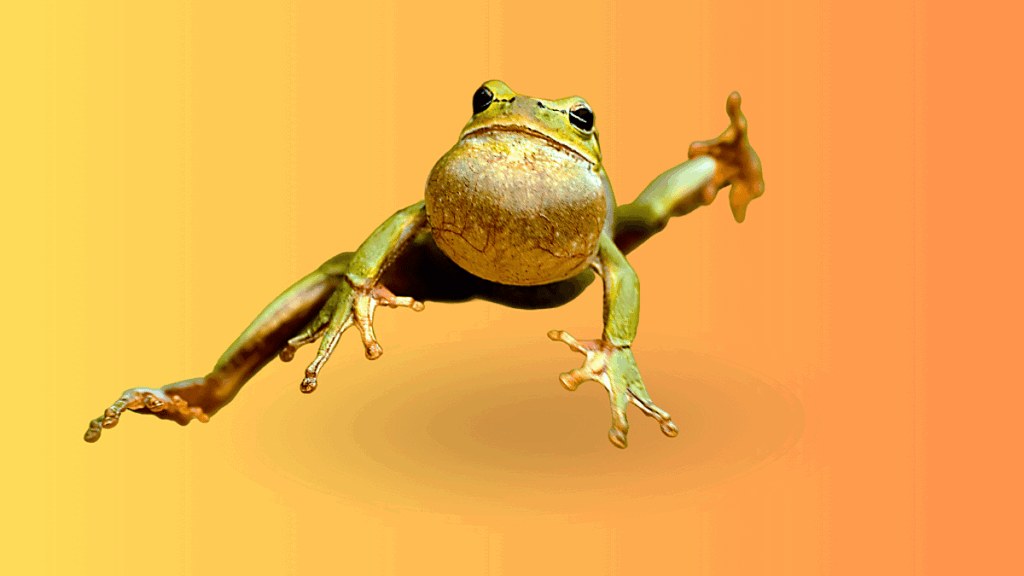
There are holidays that come and go quietly, and then there’s National Frog Jumping Day—observed each year on May 13th—a celebration that quite literally hops into a category all its own.
This lighthearted day is enjoyed by folks young and old, and it traces its roots back to one of America’s most beloved storytellers, Mark Twain.
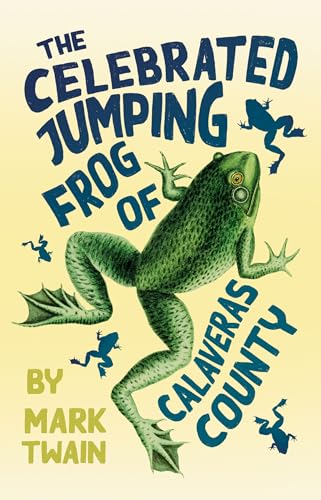
In 1865, Twain published his first short story, Jim Smiley and His Jumping Frog, later retitled The Celebrated Jumping Frog of Calaveras County—and in some circles, also known as The Notorious Jumping Frog of Calaveras County. The tale of a wagering man and his unusually athletic frog helped cement the idea of frog jumping into American folklore.
Of course, the tradition didn’t stay confined to the pages of literature for long.
The most famous frog jumping contest is widely associated with Calaveras County, California, where the first recorded competition dates back to 1849. Over time, the event grew into a celebrated annual contest, drawing crowds, competitors, and plenty of ribbiting excitement.
And for those wondering just how far a frog can go—well, records say the current champion leap was set in 1986 by a frog fittingly named Rosie the Ribeter, who reportedly jumped an impressive 21 feet, 5¾ inches. Not bad for a little hopper with no legs to spare.
While Calaveras County may get the spotlight thanks to Twain’s storytelling charm, frog jumping contests are not exclusive to one corner of the country. From small-town fairs to community festivals across the United States, these competitions pop up in places like Michigan, Florida, Idaho, and beyond. Chances are, there’s a frog-jumping showdown somewhere near you if you know where to look.
At its heart, National Frog Jumping Day is less about records and more about tradition, community, and a good-natured bit of fun—something that still manages to bring out a crowd and a smile more than a century later.
So if you find yourself on May 13th with a little extra spring in your step, you might just tip your hat to old Mark Twain, find a frog, and see how far tradition can leap.



You must be logged in to post a comment.