

Become a Citizen Scientist in the Great Southeast Pollinator Census
By Emma Greene
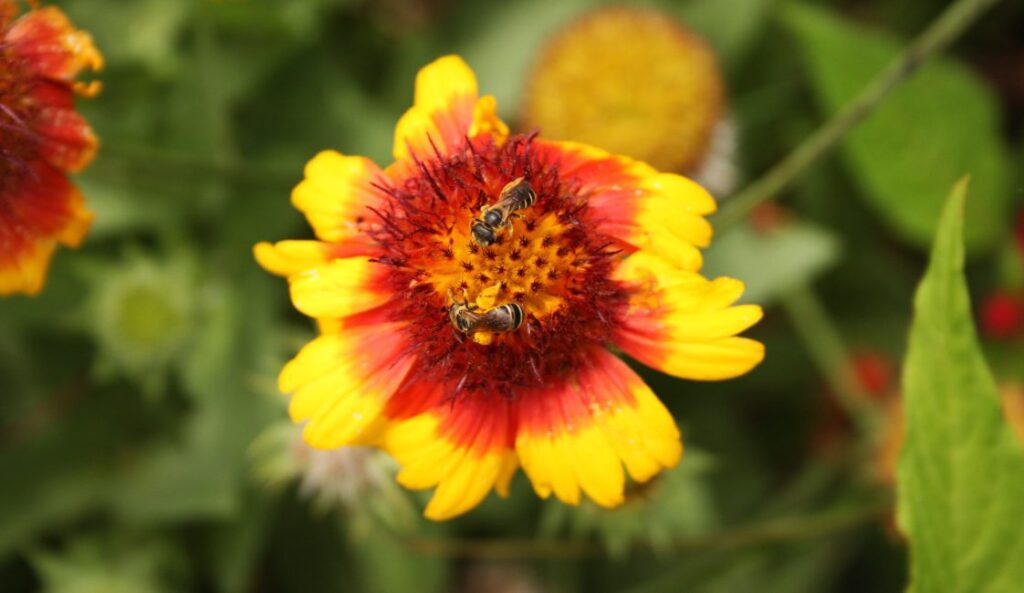
AUBURN UNIVERSITY, Ala. — The Great Southeast Pollinator Census returns to Alabama Aug. 21 and 22. This two-day event gives anyone the opportunity to become a citizen scientist and observe, count and celebrate pollinators. This is an enriching activity that people can do in just 15 minutes, either alone or with others.
Bethany O’Rear, an Alabama Extension home horticulture agent at Auburn University, said by being involved, everyone can learn a lot and enjoy the little things in nature.
“Participants will get as much from the census as the researchers do, if not more,” O’Rear said. “This is especially true if this is someone’s first time participating.”
About the Census
Starting in Georgia in 2017 and becoming statewide there in 2019, the census looks to increase the entomological literacy of residents and generate useful data about pollinator populations. In return, organizers hope these efforts lead to the creation of more sustainable pollinator habitats across the Southeast.
The 2026 Great Southeast Pollinator Census will include thousands of participants from Alabama, Florida, Georgia, Mississippi, North Carolina and South Carolina. Alabama Extension joined the project in 2025 and invites anyone to participate regardless of their gardening experience.
Melanie Stonestreet was an Alabama participant in the 2025 Great Southeast Pollinator Census. She highly encourages people to participate and learn about the benefits these insects provide.
“Participation in the pollinator census is simple and fun,” Stonestreet said. “It is designed so that people of all ages and all levels of knowledge about insects can participate.”
How to Count
To participate in the census, people first need to select a spot where they will count pollinators. For those who do not have an ideal spot in their yard, they can often find pollinator host plants in a local park, botanical garden, zoo, green space or recreational area. It is also good for people to know the different types of pollinators that they might see. Find information about Alabama’s pollinators and pollinator plants on the Alabama Extension website, aces.edu.
On Aug. 21 or 22, participants watch their selected plant at any time of day for 15 minutes, count the number of insect visits and log the numbers on a count sheet. If the selected plant is too large to watch at one time, select a 2-by-2-foot section of the plant to count. People can record multiple counts, but each count should be on a different plant. Once the counts are logged, participants have three weeks to upload their count sheets to gsepc.org.
The data collected by citizen scientists is crucial to helping professionals spot trends in pollinators, such as seeing specific pollinator groups outside of their normal region. It also helps to identify how weather is affecting pollinator populations depending on species.
More Information
For more information about the Great Southeast Pollinator Census, visit gsepc.org or aces.edu/go/4749. People can also contact the Extension home horticulture agent in their area. Additional information about pollinators is available at aces.edu.



You must be logged in to post a comment.