


CENTRE– Cherokee County’s public-safety family usually gathers because something has gone wrong.
A fire has started. A vehicle has crashed. A storm has struck. Someone is missing, hurt, frightened, or calling for help during one of the worst moments of their life.
Saturday evening was different.
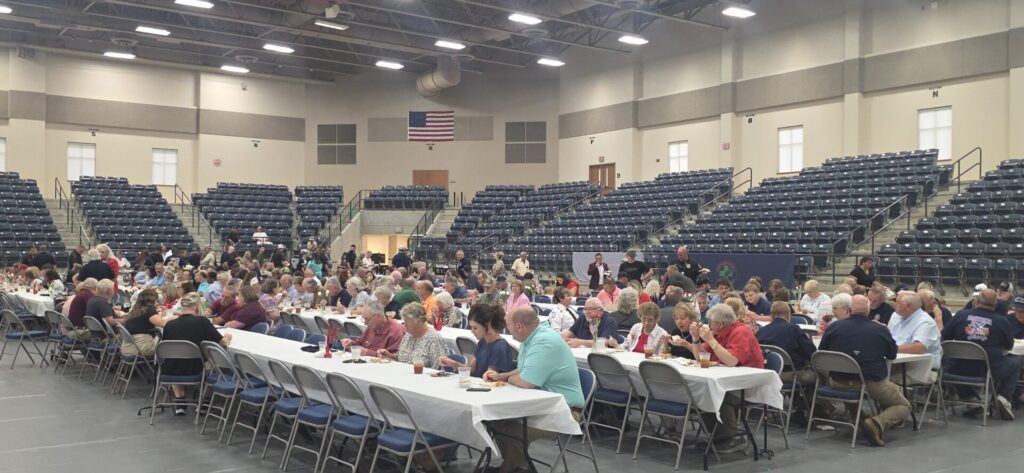
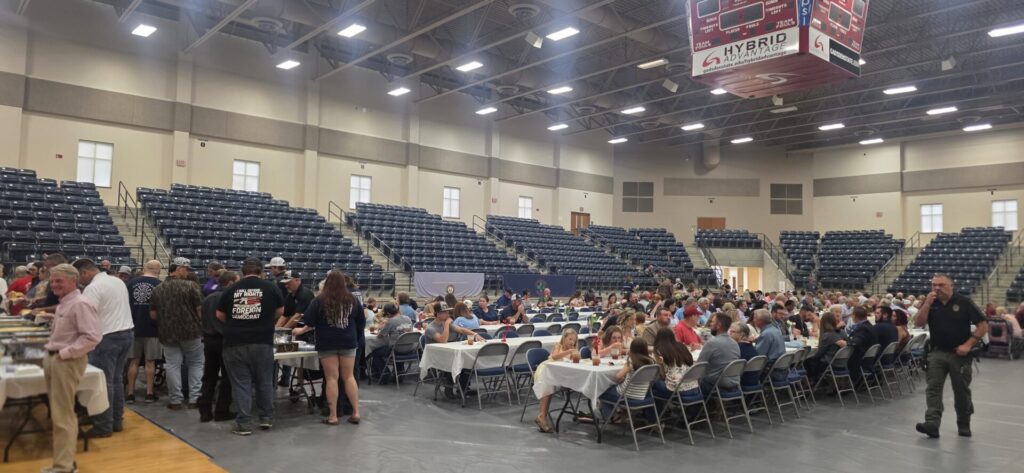
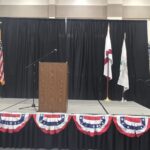
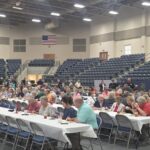
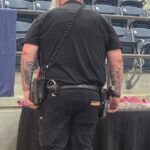
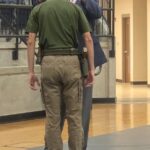
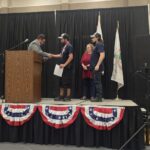
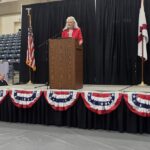
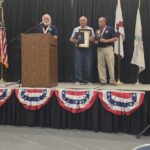
Veterans, first responders, elected officials, and their families filled Richard Lindsey Arena at Gadsden State Cherokee on July 25. This time, no emergency brought them together. The inaugural Honoring Our Heroes Dinner and Awards Ceremony gave the community an opportunity to recognize those who answer when emergencies happen.
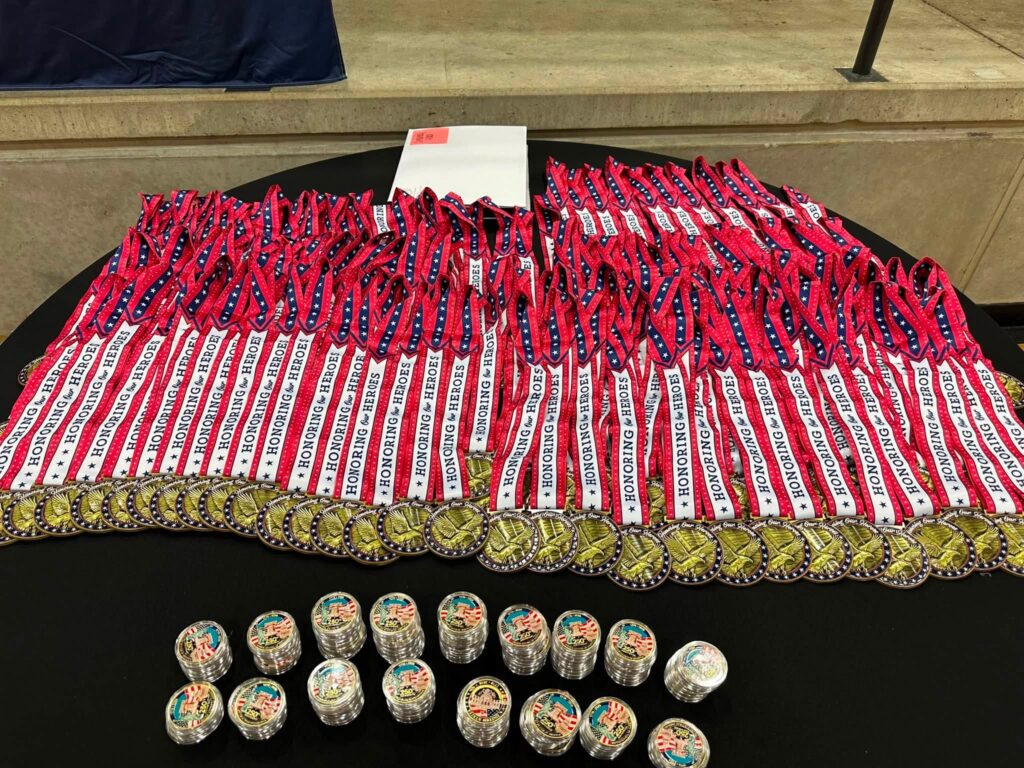
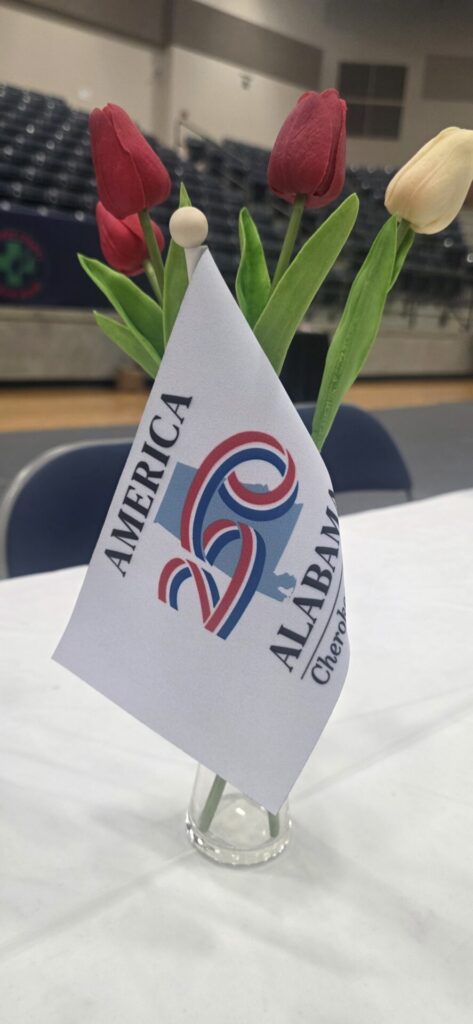
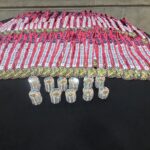
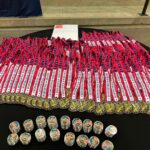
The evening honored military veterans and members of Cherokee County’s public safety agencies. It also commemorated America’s 250th anniversary through special medallions and challenge coins presented to those who serve.
An Evening Built Around Gratitude
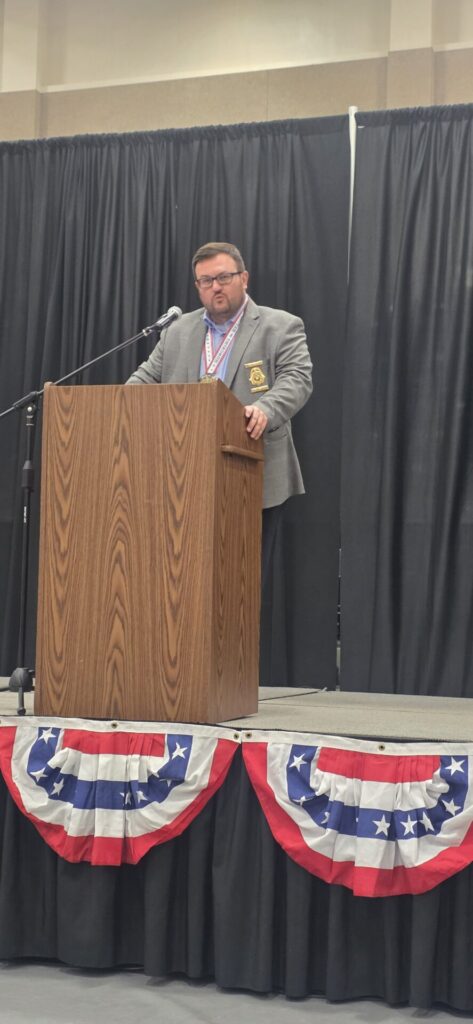
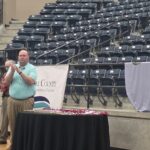
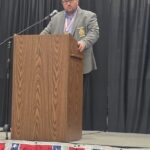
Cherokee County Rescue Squad Captain Danny Smith welcomed the crowd and set the tone for the evening.
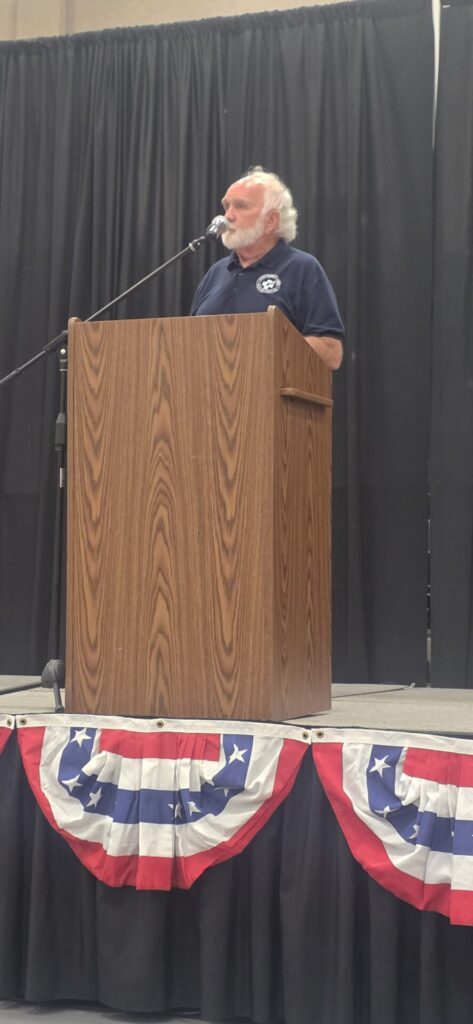
Smith said the ceremony belonged to the veterans and first responders in the room. It recognized their service, but it also acknowledged the families who share the sacrifices that come with that service.
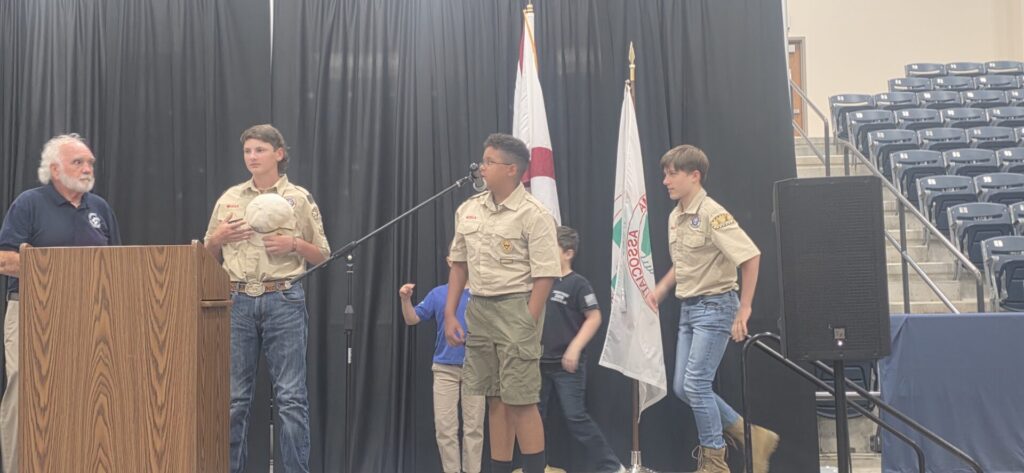
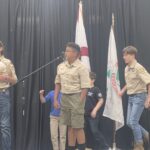
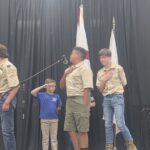
The Cherokee County Rescue Squad chaplain delivered the invocation. Members of Leesburg Troop 300 led the Pledge of Allegiance, followed by the national anthem.
The Alabama Sports Foundation presented the event alongside the Alabama Association of Rescue Squads, Cherokee County Rescue Squad, Cherokee County Emergency Management Agency, and Cherokee County Chamber of Commerce and Tourism.
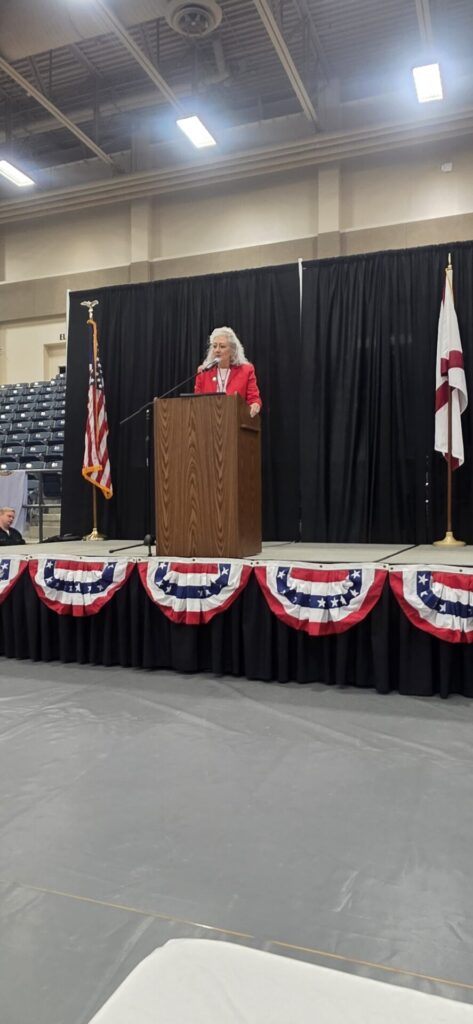
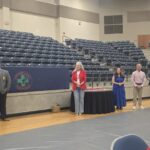
Smith thanked those organizations for joining to make the ceremony possible. He also recognized State Sen. Andrew Jones, State Rep. Ginny Shaver, Cherokee County commissioners, and municipal leaders attending the event.
Beans and Greens catered the dinner served before the awards ceremony.
Throughout his remarks, Smith returned to the teamwork required to protect Cherokee County. A single call may bring six to eight responders, and sometimes many more, to one scene.
Those responders may arrive in different vehicles and wear different uniforms. However, they share the same purpose once the call comes.
Smith also reminded the audience that emergency service requires more than courage and willingness. Departments must have dependable equipment, proper training, and the resources needed to remain ready.
Some local agencies hold fundraisers to support their operations. Others receive funding through taxes approved for equipment and training.
Smith said that support has allowed Cherokee County departments to build strong response capabilities. It also allows local agencies to answer mutual-aid requests in surrounding counties and other parts of Alabama.
He thanked elected officials and community members for helping local departments maintain the people, training, and equipment needed to serve.
A Hero Runs Toward Trouble
Smith acknowledged that most of the people being honored did not enter public service looking for recognition.
They answer calls because someone needs them. The danger, inconvenience, long hours, and missed family time become part of a responsibility they willingly accept.
Smith described a hero as someone who moves toward trouble instead of away from it. A hero may want to leave but chooses to stay, complete the work, and leave the situation better than it was before.
That description applies to military service and public safety. It also describes the quiet commitment found throughout Cherokee County’s volunteer agencies.
Smith spoke about the difficulty many departments face when recruiting volunteers. Fewer people are willing to accept the training, time commitment, and responsibility that volunteer service requires.
The Cherokee County Rescue Squad has experienced something different.
Smith said the 67-year-old organization has maintained a waiting list since its early years. That waiting list continues today.
He credited the people who established the Rescue Squad and the members who carried its mission forward. He also pointed to local fire departments where three generations of one family have served their community.
That kind of service does more than sustain an agency. It becomes part of a family’s identity and part of Cherokee County’s history.
Showing Young People Where Heroes Live
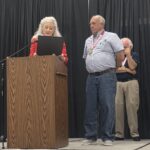
Alabama Sports Foundation representative Laura Burt explained why the Honoring Our Heroes program remains an important part of the foundation’s work.
The foundation has served Alabama for more than four decades. Its largest program, the Alabama State Games, offers athletic opportunities for people of different ages and abilities.
However, the foundation wanted young people to understand that heroes are not limited to athletic fields, stages, television screens, or national platforms.
Heroes also live in their hometowns.
They answer emergency calls, enter burning buildings, patrol roads, treat the injured, search for the missing, protect the country, and serve neighbors they may not personally know.
The Honoring Our Heroes program grew from the national response to the Sept. 11, 2001, terrorist attacks. The foundation presented its first recognition through the program the following year.
Since then, the program has honored veterans, firefighters, law-enforcement officers, emergency medical personnel, educators, wounded warriors, scouts, and other public servants.
Burt said the veterans and first responders gathered in Centre represented the kind of service the program was created to recognize.
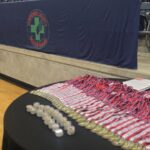
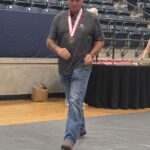
Sen. Jones, Rep. Shaver, county commissioners, and municipal leaders helped distribute commemorative medallions and challenge coins. The coins marked America’s 250th anniversary and represented respect earned through service.
Veterans Stand as Their Service Songs Play
The ceremony began its formal recognition with United States military veterans.
Organizers played a medley featuring the song of each military branch. Veterans stood as their branch’s song filled the arena.
They then came forward to receive a commemorative medallion and challenge coin.

The ceremony honored their service while remembering veterans who had gone before them. It also recognized the families who shared the burdens created by military service.
Deployments, missed milestones, separation, and uncertainty affect more than the person wearing the uniform. Families carry those sacrifices alongside them.
That same understanding carried into the recognition of first responders. Their families also live with interrupted holidays, missed birthdays, late-night telephone calls, unfinished meals, and the uncertainty that follows every emergency response.
Following an Emergency Call From Beginning to End
Organizers recognized public-safety agencies in the order that an emergency call moves through the county.
Cherokee County EMA and E-911 came first.
Smith explained that every response begins when someone answers the telephone, gathers information, and sends help. Before emergency vehicles begin moving, a telecommunicator starts building the response.
The Cherokee County Sheriff’s Office received recognition next. Centre Police, Cedar Bluff Police, Leesburg Police, and the Alabama Law Enforcement Agency followed.
The ceremony also honored other state law-enforcement officers serving the county, including Marine Patrol and conservation enforcement officers.
Emergency medical professionals and rescue personnel then came forward. Their work carries them to homes, highways, waterways, wooded areas, mountainsides, and difficult scenes where people cannot escape without help.
Representatives from the fire service followed.
The roll call included Broomtown-Rinehart, Cedar Bluff, Centre, Ellisville, Gaylesville, Leesburg, McCord’s Crossroads, Mount Weisner, Sand Rock, Spring Creek, Spring Garden, Tucker’s Chapel, and Cloudland.
The ceremony also recognized city council members, county commissioners, Rep. Shaver, and Sen. Jones for their support of local public-safety agencies.
More Than 40,000 Calls for Help
Cherokee County EMA Director and E-911 Administrator Shawn Rogers placed the service represented inside the arena into perspective.
Cherokee County public-safety agencies responded to 40,375 calls for service during 2025. That averages more than 110 calls every day.
Those figures do not include every non-emergency request handled outside the dispatch system.
Each number represents a real moment in someone’s life.
Some calls involved medical emergencies, fires, vehicle crashes, crimes, or hazardous weather. Others began during moments of confusion, fear, grief, or desperation.
In each case, someone reached for a telephone because they needed help and did not know where else to turn.
Before a deputy, police officer, firefighter, ambulance, or rescue unit arrived, someone answered that call.
A telecommunicator listened, gathered information, reassured someone who was afraid, and coordinated the agencies needed at the scene.
Dispatchers often remain on the telephone until help arrives. They may provide lifesaving instructions while managing radio traffic and directing multiple responders.
Rogers thanked Cherokee County’s dispatchers for serving as the steady voice within another person’s chaos.
Rogers thanked law-enforcement officers for placing themselves between danger and the people they swore to protect.
Their work requires decisions that most people will never face. Yet they continue to report for duty and answer each call.
He also addressed the distinction sometimes made between career and volunteer firefighters.
Career firefighters make the fire service their full-time profession. Volunteer firefighters choose another occupation but still accept the responsibility of protecting their community.
Both answer the same calls. Both face the same fire, wreckage, medical emergencies, and danger.
Both leave their families when the alarm sounds. Both deserve the same respect.
Rogers thanked EMS personnel for bringing knowledge and compassion into people’s lives during their most difficult moments.
Patients may not remember every instruction given during an emergency. However, they often remember whether someone treated them with patience, dignity, and kindness.
Rogers noted that many Alabama communities struggle with delayed ambulance responses. Cherokee County has maintained stronger emergency medical coverage, and that service does not go unnoticed.
He also recognized rescue personnel who respond wherever people need them. They may work on Weiss Lake, in the woods, on a mountainside, at a vehicle crash, or in places few others can reach.
Many provide that service without pay. They go because someone needs them.
Preparation Before the Emergency
Rogers explained that emergency management performs much of its work before a disaster begins.
EMA personnel prepare, plan, train, and coordinate. When an emergency happens, they bring organizations together so the response can move quickly and the community can recover.
Good emergency management can prevent a dangerous situation from becoming worse. That preparation may never receive public attention, but its value becomes clear when disaster strikes.
Rogers said Cherokee County’s public-safety system succeeds because its agencies operate as one team.
When one department needs help, another arrives. When one agency’s resources become strained, neighboring departments step forward.
During those moments, badges, patches, titles, and uniforms become secondary. Protecting lives, preserving property, and helping neighbors become the priorities.
That spirit cannot be purchased with equipment or created through an order. Agencies build it through trust, relationships, training, and years of working beside one another.
Rogers has spent more than two decades in public safety. His experience includes law enforcement, the fire service, EMS, emergency management, and emergency communications.
That career has allowed him to serve beside public-safety professionals from many agencies. He said Cherokee County’s strength does not come from having the largest departments or the biggest budgets.
It comes from people whose character cannot be measured by a financial report.
They leave family dinners without complaint. They work long after their shifts should have ended. They quietly do the right thing when no one is watching.
Rogers said he did not see separate agencies when he looked across the arena. He saw one public-safety family.
The Families Behind the Uniforms
Rogers then recognized the families who serve alongside Cherokee County’s responders.
Spouses, children, parents, and grandparents understand canceled plans, interrupted holidays, missed birthdays, unexpected overtime, and late-night calls.
They also provide encouragement after difficult shifts.
The emotional weight of public safety does not always remain at the scene. Responders may carry memories from fires, crashes, medical emergencies, crimes, and disasters long after the call ends.
Families often help them carry that weight. Their support gives responders the strength to answer the next call.
Rogers said Cherokee County will continue investing in its people. Agencies will improve training, strengthen communications, embrace new technology, and build new partnerships.
However, no radio system, computer, emergency vehicle, or other piece of equipment can replace the people who perform the work.
Equipment supports the response. People make the response matter.
Honoring Decades of Volunteer Service
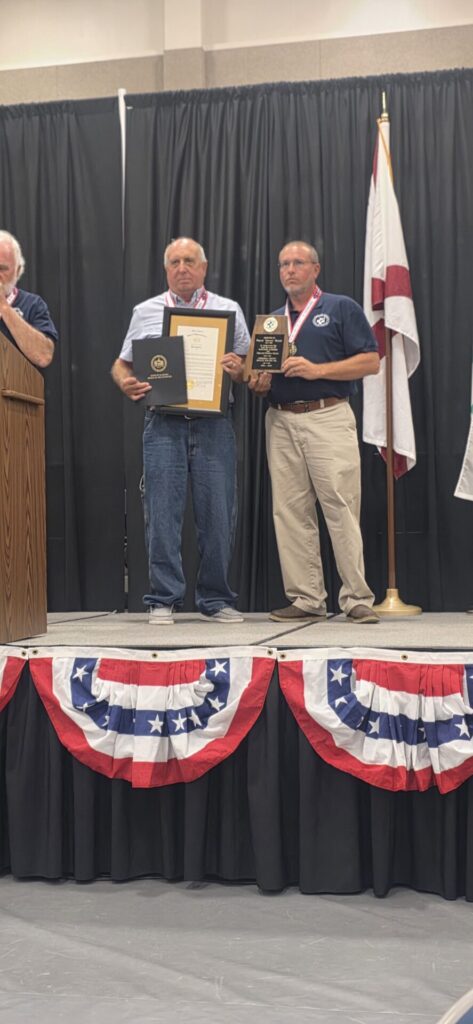
The evening also provided agencies with an opportunity to recognize members for individual achievements.
Tucker’s Chapel Fire Department presented dedication-of-service certificates to several firefighters. The Cherokee County Rescue Squad recognized lifetime members and those who reached major service milestones.
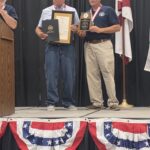
Rep. Shaver then honored Gerald Rieger for 50 years of volunteer service with the Cherokee County Rescue Service.
Rieger began serving in 1976. During the five decades that followed, he devoted countless hours to protecting Cherokee County residents.
Shaver presented a resolution from the Alabama House of Representatives recognizing his distinguished volunteer service. She also presented a certificate from Gov. Kay Ivey.
The Cherokee County Rescue Squad followed with an additional award honoring Rieger’s leadership and dedication.
Shaver said veterans and first responders represent different forms of service. However, both place the needs of others ahead of their own.
She thanked veterans for protecting the nation’s freedoms. She also thanked first responders for their courage, compassion, and willingness to answer the call.
A Legacy That Outlives a Title
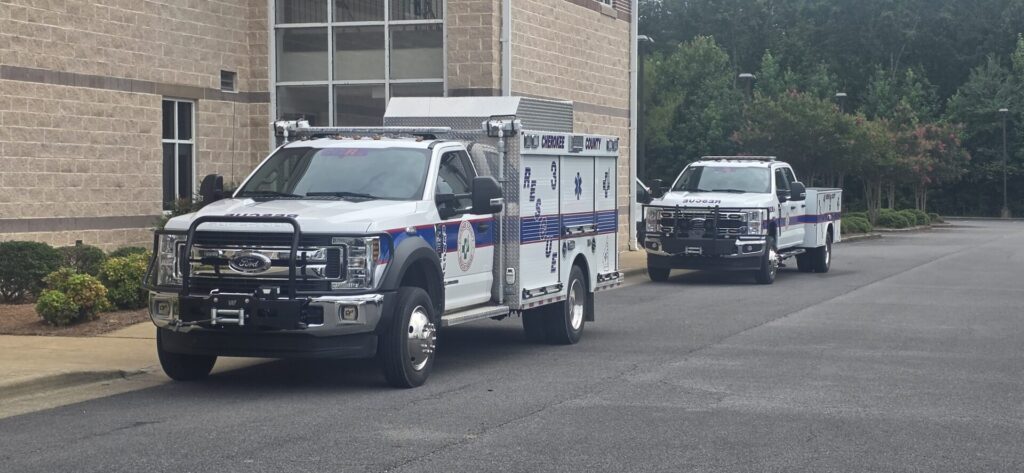
Smith closed the ceremony by telling those gathered how proud organizers were to recognize them.
He challenged each responder to honor the oath taken, the uniform worn, the department represented, and the people serving beside them. He also reminded them to trust their training when the next call comes.
A prayer brought the evening to a close.
The medallions and challenge coins marked one night of public recognition. The service they represented continues every hour of every day.
Most people helped during an emergency may never remember a responder’s name, badge number, rank, or agency. They will remember that someone came when their home was burning, a loved one stopped breathing, a vehicle trapped them, or a storm placed their family in danger.
That becomes the lasting legacy of public service.
It lives in the people saved, the families comforted, the tragedies lessened, and the hope restored during someone’s darkest moment.
Cherokee County saw that legacy repeated 40,375 times last year.
Every time someone needed help, someone answered.









You must be logged in to post a comment.