

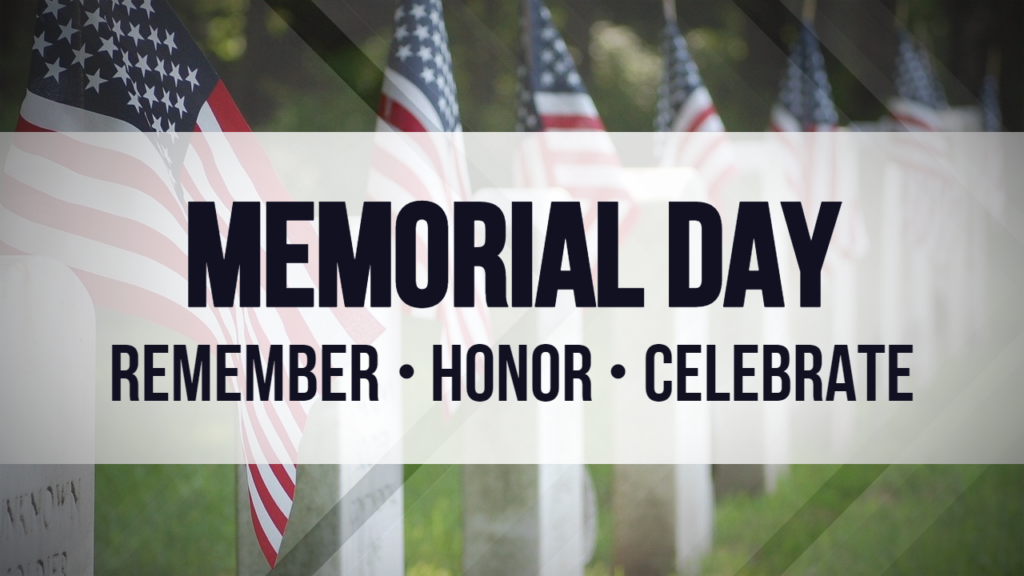
As Americans gather this Memorial Day for family cookouts, community events, and the unofficial beginning of summer, it is important to pause and remember the true meaning behind the holiday — honoring the men and women of the United States Armed Forces who made the ultimate sacrifice in service to the nation.
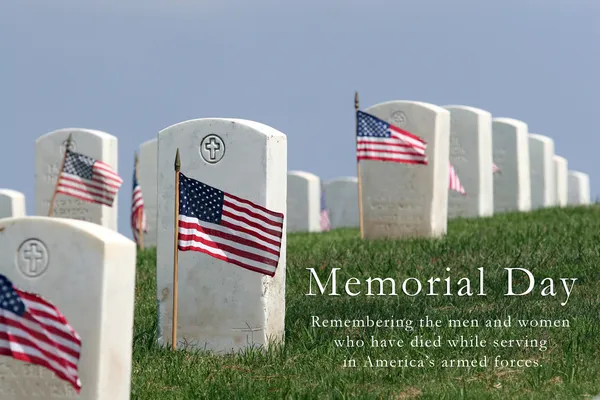
At WEIS Radio, Memorial Day is more than a date on the calendar. It is a solemn reminder of the tremendous cost of freedom and an opportunity to honor those who gave all so others might live in liberty. We remember not only the fallen heroes of America’s past but also the families they left behind, whose sacrifices are carried quietly every day.
The origins of Memorial Day trace back to one of the most painful chapters in American history — the Civil War. In the immediate aftermath of the conflict during the late 1860s, communities across the country sought ways to honor the approximately 620,000 soldiers who lost their lives. Originally known as “Decoration Day,” the observance began as local gatherings held in the spring, where families and citizens decorated the graves of fallen service members with flowers, flags, and wreaths.
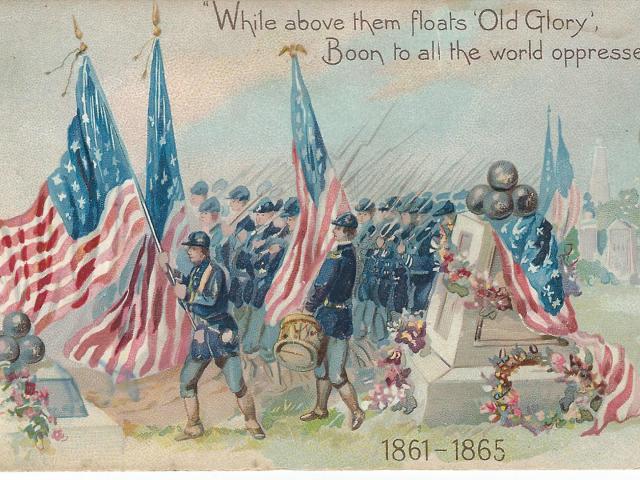
While the holiday would eventually grow into a national observance, its beginnings were deeply local and personal. Because communities throughout a divided nation independently organized tributes, several cities and towns claim to be the birthplace of Memorial Day.
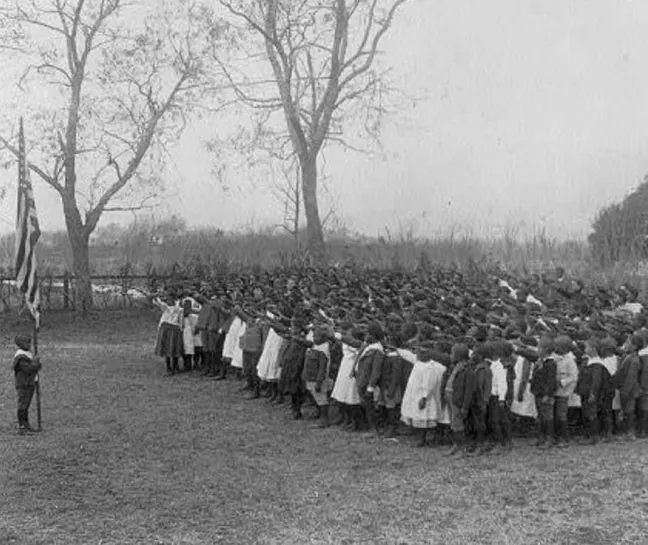
One of the earliest documented large-scale observances occurred on May 1, 1865, in Charleston, South Carolina. There, a group of formerly enslaved African Americans organized a ceremony to honor more than 250 Union soldiers who had died at a Confederate prison racetrack and were buried in unmarked graves. The group provided proper burials for the soldiers and held a commemorative parade attended by nearly 10,000 people — an act of remembrance that many historians view as one of the first Memorial Day commemorations.
In Boalsburg, Pennsylvania, local tradition traces an observance back even earlier to October 1864, when three women gathered to decorate the graves of Union soldiers.
Meanwhile, Waterloo, New York, became officially recognized as the birthplace of Memorial Day in 1966 when the federal government designated the town for its organized annual observances that began in 1866. Businesses reportedly closed while residents gathered to systematically decorate the graves of fallen soldiers in a unified act of remembrance.
The movement toward a national day of remembrance became official on May 5, 1868, when Major General John A. Logan, commander of the Grand Army of the Republic — a prominent Union veterans organization — issued General Orders No. 11. The order designated May 30, 1868, as “Decoration Day,” calling upon Americans to place flowers upon the graves of those who had died defending the nation.
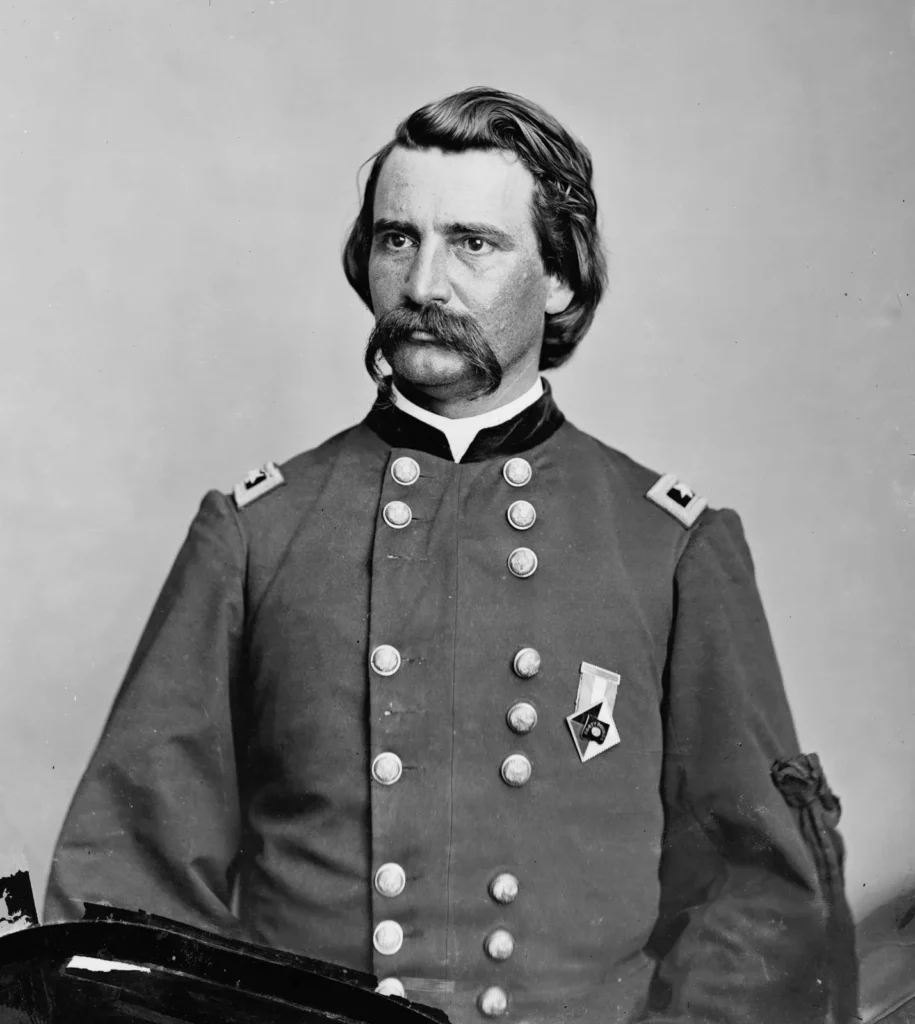
May 30 was intentionally selected because it was not tied to any specific battle and because flowers would be blooming across much of the country, allowing communities nationwide to participate.
The first national observance took place later that month at Arlington National Cemetery. Before thousands gathered, future President James A. Garfield delivered remarks honoring the fallen. Approximately 5,000 attendees then decorated the graves of more than 20,000 Union and Confederate soldiers buried there.
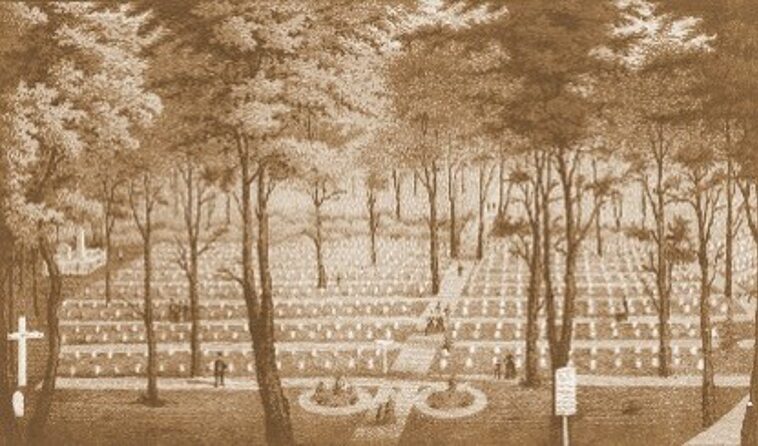
For many years, observances varied by region. Northern and Southern states often held separate memorial traditions, largely because the original holiday focused primarily on Union soldiers who died during the Civil War.
However, as America entered new conflicts, the meaning of the holiday broadened.
Following World War I, Memorial Day evolved from honoring Civil War casualties to recognizing all American military personnel who died while serving in any war or conflict. The transition reflected the sacrifices of generations of service members who fought in World War I, World War II, Korea, Vietnam, the Gulf War, Afghanistan, Iraq, and countless other military operations.
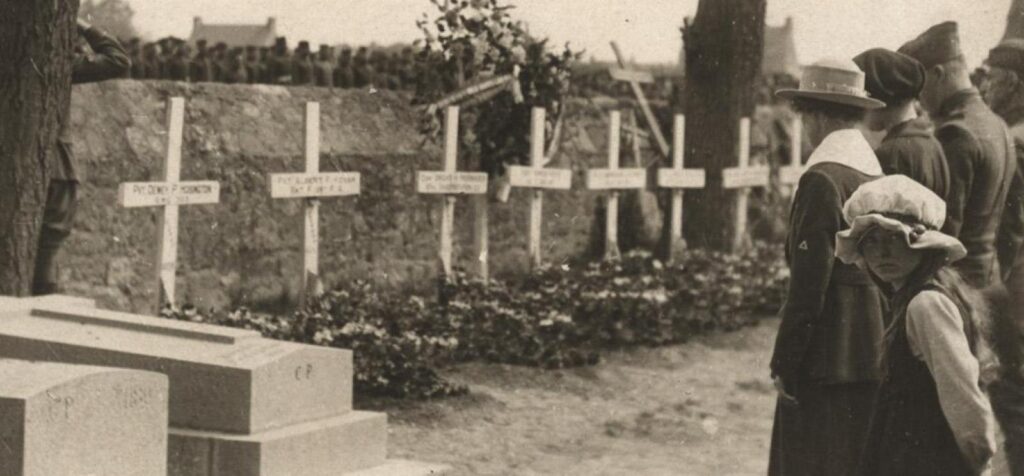
As the holiday’s purpose expanded, so did its identity. The name “Decoration Day” gradually gave way to “Memorial Day,” a title Congress officially recognized in 1967.
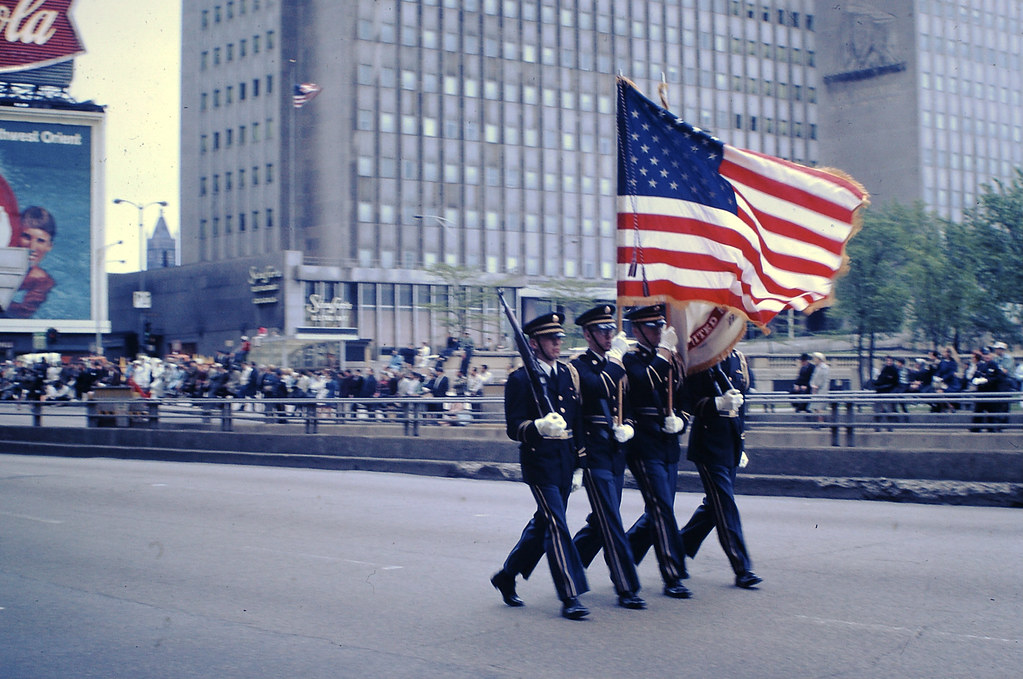
Just one year later, Congress passed the Uniform Monday Holiday Act of 1968, moving Memorial Day from its traditional observance on May 30 to the last Monday in May. The change, which officially took effect in 1971, created a three-day weekend for federal employees while preserving the holiday’s purpose of remembrance.
Today, Memorial Day is marked by ceremonies at cemeteries, veterans memorials, and town squares across America. Volunteers place American flags at gravesites in national cemeteries, communities host memorial programs and parades, and families quietly reflect on loved ones lost in military service.
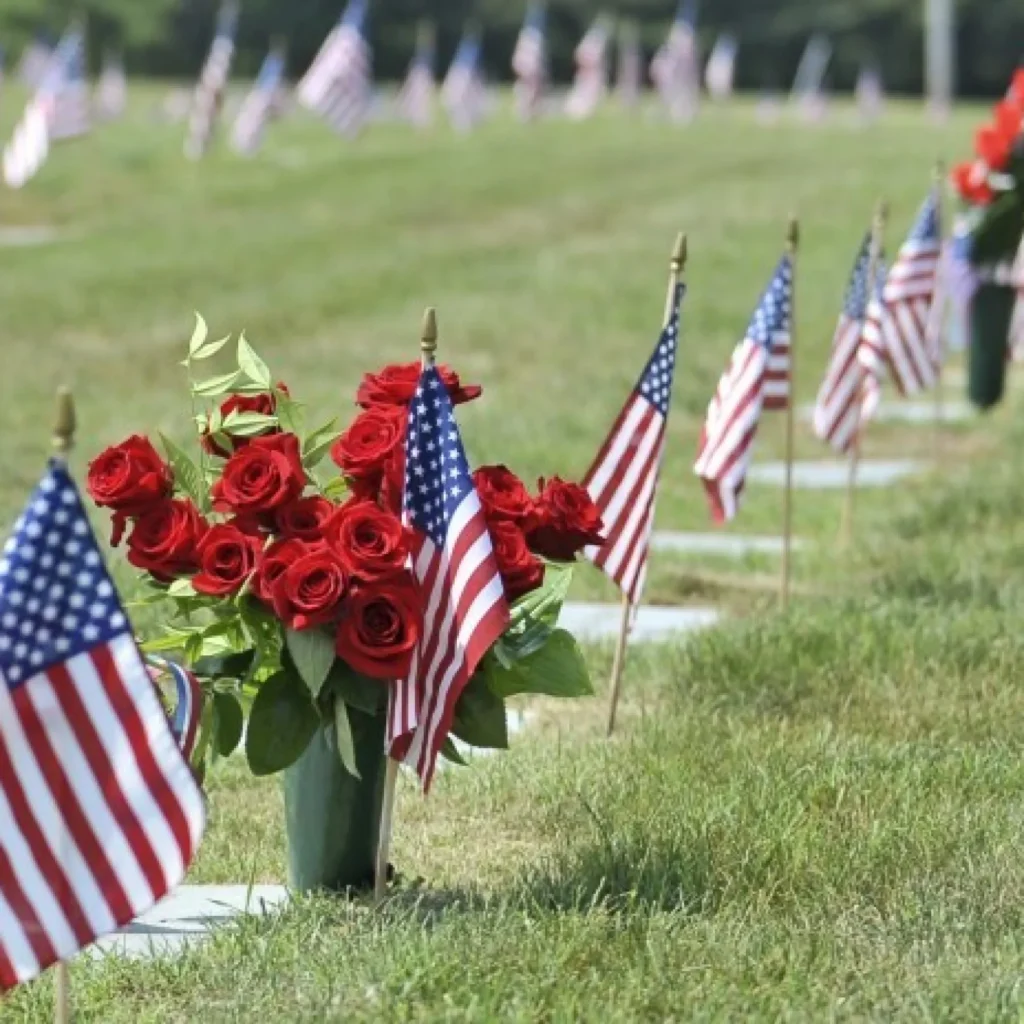
One of the nation’s most meaningful observances occurs each Memorial Day at 3:00 p.m. local time during the National Moment of Remembrance, when Americans are encouraged to pause for one minute of silence in honor of the fallen.
Though Memorial Day has also become associated with the beginning of summer, vacations, and gatherings with loved ones, its central purpose remains unchanged: to remember those who paid the highest price for freedom.
At WEIS Radio, we proudly join communities across Cherokee County, northeast Alabama, and the nation in honoring every service member who gave their life in defense of America. Their courage, sacrifice, and devotion to duty can never truly be repaid, but they must never be forgotten.
This Memorial Day, as flags wave across cemeteries and communities gather in remembrance, we encourage everyone to take a moment to reflect on the freedoms we enjoy and the brave men and women who secured them.
To all who made the ultimate sacrifice — and to the families who continue to carry their memory — WEIS Radio remembers, honors, and thanks you.


You must be logged in to post a comment.