

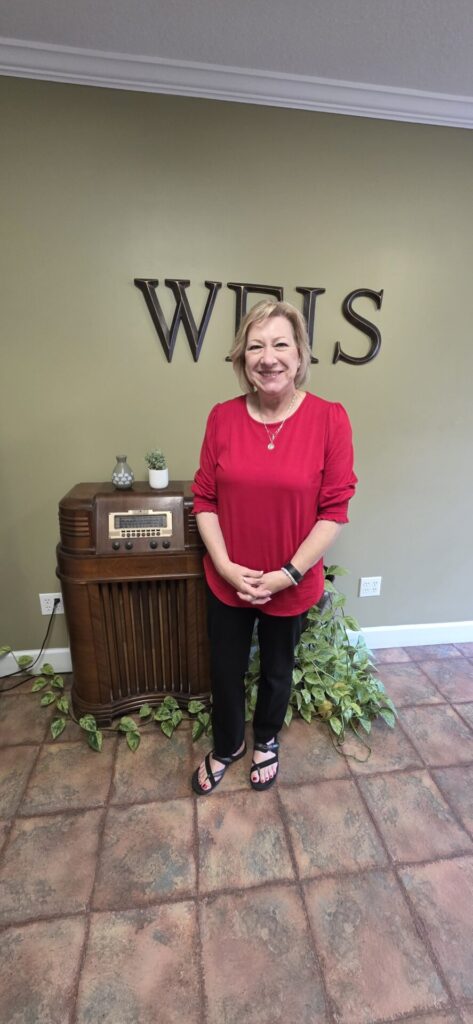
CENTRE — WEIS Radio welcomed Cherokee Etowah DeKalb (CED) Mental Health Executive Director Shelia Hulsey to the studio Wednesday morning, May 13, for an in-depth discussion on the organization’s expanding services, community partnerships, and future plans aimed at improving mental health care access across Cherokee, Etowah, and DeKalb counties.
You can hear the interview here:
CED Mental Health operates as a 501(c)(3) nonprofit comprehensive mental health agency, serving individuals with serious mental illness while providing mental health care for children, adolescents, adults, and seniors. The agency also offers outpatient substance abuse treatment, prevention programming, residential services for adults with serious mental illness, supportive housing, and referrals to housing resources throughout its three-county service area.
During the interview, Hulsey outlined the breadth of services currently offered by CED, emphasizing the agency’s mission to provide care at multiple levels based on the individual needs of recipients.
Among the agency’s certified programs are school-based services for children, office-based counseling for children and adolescents, psychiatric care and nurse practitioner support, adult outpatient services in Cherokee, Etowah, and DeKalb counties, and case management services across all three counties. Psychiatric and nurse practitioner services are also available to help individuals manage mental health conditions.
CED additionally provides substance abuse treatment and prevention services, including educational programming within school systems aimed at reducing vaping among students in accordance with Alabama Department of Mental Health initiatives. Outpatient substance abuse treatment is available in two counties, supported through partnerships with organizations such as New Life for Women, Rapha House, CED Fellowship, and other recovery-focused programs throughout Alabama.
The agency also offers specialized treatment programs including a Day Treatment Program in Etowah County and Assertive Community Treatment (ACT), designed for individuals who have not successfully responded to traditional treatment models. Under the ACT program, mental health professionals travel directly to recipients in their homes and communities to deliver care where it is needed.
For individuals in residential settings, CED provides nursing support through the Nurse Delegation Program, training residential staff and monitoring care for residents with mental health needs.
In addition to routine treatment services, the agency maintains after-hours and holiday crisis response capabilities, operating a local crisis line alongside Alabama’s statewide 988 crisis hotline, providing support to those experiencing mental health emergencies.
Residential Programs and Expansion Plans
CED currently operates multiple residential programs designed to support adults with severe mental illness and individuals transitioning toward independent living.
These include outpatient residential homes with around-the-clock oversight, the White Parker Residential Home, which serves adults with serious mental illness, and the Frantz Home, a forensic residential program for males under circuit court orders who have been found not guilty by reason of insanity.
CED also manages supportive housing apartments for residents transitioning back into community life, assigning case managers to assist tenants with maintaining independence while receiving continued support.
Looking ahead, Hulsey discussed future planning efforts focused on expanding supportive housing options. CED is currently exploring development of a 24-unit supportive housing apartment complex, with long-term goals of transitioning into a 30-bed apartment-style setting to meet growing regional demand.
Increased Focus on Partnerships and Community-Based Care
Hulsey said CED is currently evaluating its programs and intensifying services to better meet mental health needs across the region.
Part of that effort includes strengthening partnerships with hospitals, law enforcement agencies, county commissions, judges, and court systems, with a focus on creating stronger continuity between mental health care providers and public institutions.
One example highlighted during the interview was Etowah County’s FOCUS program, an initiative through which CED collaborates with Circuit, District, and Probate Courts to engage individuals with mental health needs before they become entrenched in detention systems.
The program was initially funded through grants from the Alabama Department of Mental Health and allows CED to provide therapy services both inside correctional facilities and during reentry into the community. Staff assist individuals transitioning from incarceration into residential programs or independent living situations when appropriate.
According to Hulsey, the initiative has enabled CED to identify individuals with untreated or overlooked mental health conditions who had effectively become lost within the system and redirect them into treatment settings rather than correctional environments. She indicated the program is currently unique within Alabama and expressed hopes that similar efforts could eventually expand into Cherokee and DeKalb counties.
The process of implementing these services also revealed additional unmet needs in the region, particularly concerning residential care options for court-connected individuals who require structured supervision while transitioning toward independence. Meeting those needs has become a major priority for the agency in the coming year.
Reducing Stigma and Breaking Barriers to Care
Another major challenge discussed during the interview was public awareness and lingering stigma surrounding mental health treatment.
Hulsey noted that many individuals experiencing depression, emotional distress, or mental health crises often hesitate to seek care due to misconceptions about treatment. She referenced recent tragedies involving suicide and suicide attempts, emphasizing the importance of intervention before situations escalate.
CED’s approach increasingly centers on meeting people where they are, whether through outpatient services, home-based care, telehealth, case management, or psychiatric treatment.
Telehealth services have become another important component of care delivery, helping connect individuals to psychiatric services who may otherwise face transportation, scheduling, or accessibility barriers.
Hulsey stressed that treatment is individualized and that the level of care varies depending on the person’s circumstances and needs.
Mental Health Services in Schools
Hulsey also discussed the agency’s longstanding presence within local school systems, particularly praising Cherokee County Schools for being among the first in the region to embrace school-based mental health services.
CED clinicians work with students to address emotional, behavioral, and mental health concerns in educational settings, creating earlier opportunities for intervention and support.
The agency hopes families understand that seeking assistance does not require certainty about needing treatment. Individuals uncertain about their mental health concerns are encouraged to complete an intake or assessment to better determine what services may be beneficial.
Working with Courts, Law Enforcement, and Community Leaders
Hulsey praised area probate judges for their involvement in helping individuals navigate mental health treatment options, noting their willingness to carefully evaluate cases and help connect people with appropriate care.
She also pointed to increased collaboration between courts and mental health providers, including Cherokee County Probate Judge Tim Burgess, who serves on CED’s board and provides additional advisory input.
The organization’s broader goal is to prevent individuals from cycling repeatedly between hospitals, correctional facilities, and unstable living environments by engaging them in long-term support systems following treatment.
Law enforcement partnerships were also highlighted as increasingly important in mental health response efforts. Hulsey commended agencies such as the Cherokee County Sheriff’s Office for taking proactive steps, including introducing mental health-focused resources within their departments.
Hospitals, including Atrium Health, were also recognized as essential partners in responding to crises, especially since law enforcement officers are often the first point of contact during mental health emergencies.
Access to Care Regardless of Financial Situation
A major emphasis throughout the interview centered on removing barriers to treatment.
Hulsey said residents in Cherokee, Etowah, and DeKalb counties who believe they may need assistance can simply call and request services, regardless of age or circumstance. CED maintains an ongoing screening clinic process, eliminating the need for individuals to wait weeks for appointments.
As a nonprofit agency, CED also works to ensure affordability is not an obstacle to care and does not turn individuals away solely due to inability to pay.
Services are available for all age groups, from children to older adults. Hulsey noted that aging-related medical conditions can often contribute to emotional and mental health concerns, requiring coordinated mental and physical healthcare support.
Case managers also assist individuals with navigating medications, appointments, transportation, and healthcare systems. In Cherokee County, transportation options through East Alabama Regional Planning and Development Commission services were noted as valuable resources for residents needing assistance accessing treatment.
Family members may also contact CED on behalf of loved ones if concerns arise.
How to Reach CED Mental Health
Residents in Cherokee County can contact CED Mental Health 365 days a year by calling 256-927-3601, with after-hours staff available to respond when needed. Across Alabama, individuals experiencing a mental health crisis can also contact the 988 Suicide and Crisis Lifeline for immediate support.
Hulsey emphasized the importance of building strong support systems and ensuring individuals know help is available, encouraging anyone with concerns about themselves or a loved one to reach out for assistance, questions, or guidance before a crisis develops.



You must be logged in to post a comment.