

Spring Snake Season in Alabama: What You Need to Know for Safety and Prevention
ALABAMA — As temperatures rise in Alabama each spring, snakes emerge from hibernation to bask in the sun, hunt for food, and begin their mating season. From March through May, sightings of snakes increase significantly across the state, reminding residents and visitors alike to remain vigilant while enjoying the outdoors.
Alabama is home to more than 40 species of snakes, most of which are non-venomous and play important roles in the ecosystem by controlling rodent populations. While the majority are harmless, it is important to be aware of the six venomous species that inhabit the state.
Venomous Snakes to Know
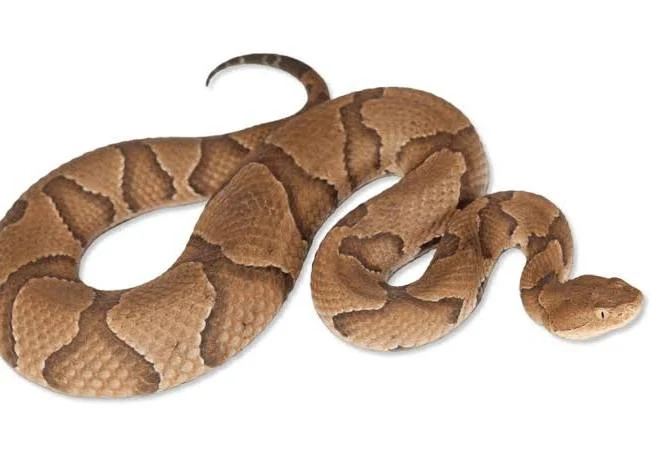
- Copperhead: A stout-bodied snake with a head wider than its neck, often found in wooded or rocky areas. Copperheads are common throughout Alabama and are recognizable by their distinctive hourglass-shaped bands.
- Cottonmouth (Water Moccasin): Frequently found near rivers, creeks, ponds, and other bodies of water. These snakes are more aggressive than most non-venomous species when threatened.
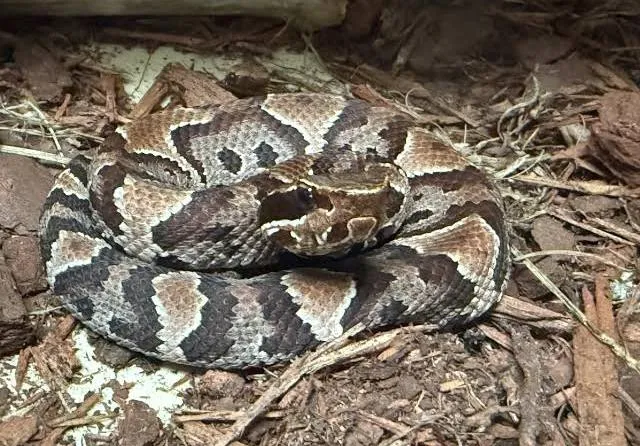
- Timber Rattlesnake: Preferring wooded habitats, timber rattlesnakes often warn potential threats with a rattle before striking.
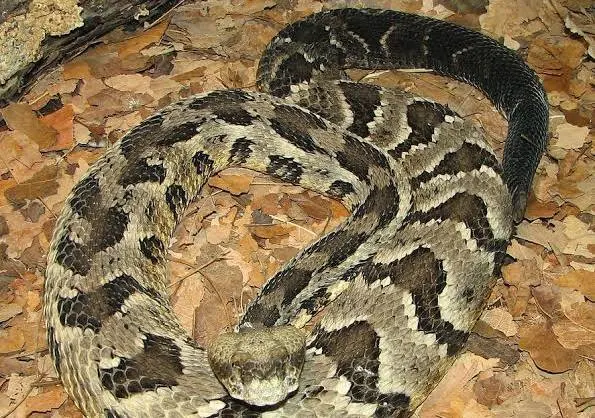
- Eastern Diamondback Rattlesnake: One of the largest and most venomous species in the United States, it is rarer than other rattlesnakes but requires caution if encountered.
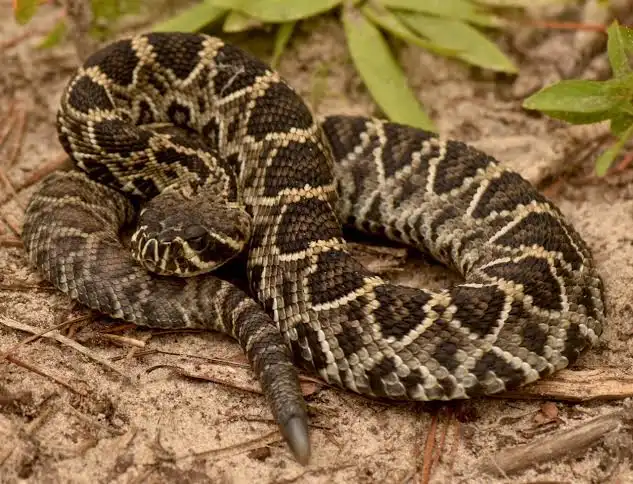
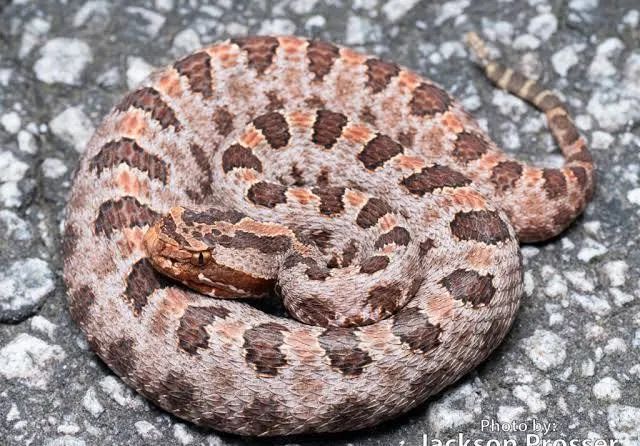
- Pygmy Rattlesnake: Small and well-camouflaged, these snakes inhabit a variety of environments and are often difficult to spot.
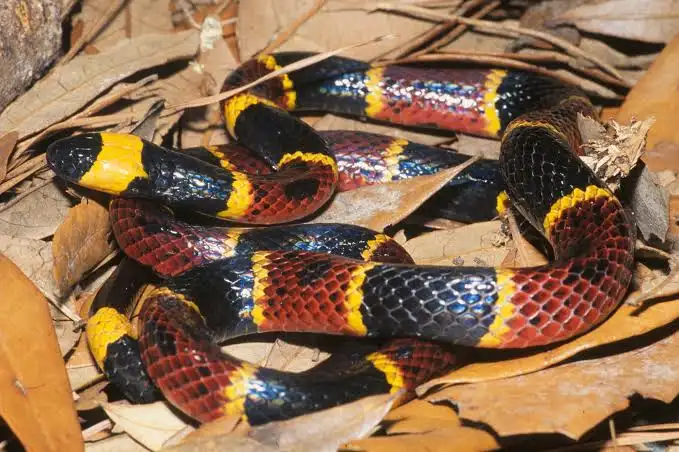
- Eastern Coral Snake: Reclusive and brightly colored, this species is rarely seen but highly venomous.
Staying Safe Outdoors
Whether hiking, camping, or simply spending time in your yard, practicing safety around snakes is crucial. Experts recommend the following precautions:
- Watch Your Step: Stick to marked trails and be cautious when stepping over logs, rocks, or dense brush, where snakes often hide.
- Look Before You Reach: Avoid putting your hands or feet into areas you cannot see, such as thick underbrush, hollow logs, or woodpiles.
- Give Space: If you encounter a snake, maintain a distance of at least 6 to 10 feet. Most snakes are non-aggressive and will move away if not threatened.
- Move Slowly: Back away slowly if a snake is encountered. Sudden movements can be perceived as a threat, increasing the likelihood of a defensive strike.
Home and Yard Prevention
Homeowners can reduce the likelihood of snake encounters with simple yard maintenance and preventive measures:
- Maintain Your Yard: Keep grass trimmed short and remove debris such as brush piles, log stacks, or construction materials where snakes can hide.
- Reduce Food Sources: Clean up birdseed and store pet food indoors to minimize rodent populations, which in turn attract snakes.
- Seal Entry Points: Inspect your foundation and seal gaps or cracks to prevent snakes from entering sheds, garages, and crawlspaces.
- Avoid Ineffective Deterrents: Commercial snake repellents, mothballs, and even cinnamon have been found largely ineffective. Experts from Alabama State Parks and the UAB Health System emphasize that yard maintenance remains the most reliable prevention method.
First Aid for Snake Bites
In the event of a snake bite, immediate medical attention is critical. Follow these guidelines:
DO:
- Call 911 immediately.
- Keep the victim calm and seated or lying down.
- Remove rings, bracelets, or restrictive clothing near the bite site to allow for potential swelling.
- Keep the bitten limb still and positioned at or slightly below heart level.
DON’T:
- Do not apply a tourniquet.
- Do not use ice on the bite.
- Do not attempt to cut the wound or “suck out” venom.
Identification: Only attempt to identify or photograph the snake from a safe distance. Do not try to catch or handle it, as this can waste valuable time and increase risk.
For residents who need professional assistance, specialized snake removal services are available in Alabama, including Alabama Snake Removers and Go Pro Wildlife Removal. These professionals can safely capture and relocate snakes to prevent conflicts at home or on your property.
Bottom Line
Spring in Alabama brings warmer weather—and an increase in snake activity. By understanding which snakes are venomous, taking precautions outdoors, maintaining yards, and knowing what to do in the event of a bite, residents can enjoy the season safely. Most importantly, giving snakes their space and respecting their natural habitats reduces risks while allowing these important creatures to thrive in Alabama’s ecosystems.



You must be logged in to post a comment.