

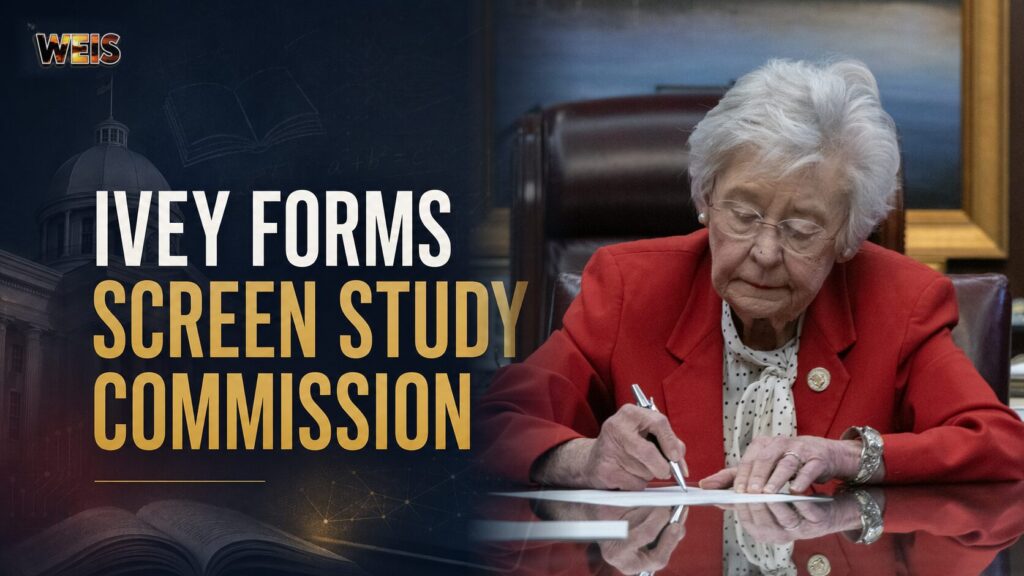
MONTGOMERY– Gov. Kay Ivey signed Executive Order No. 745 Wednesday, creating a commission to study screen-based instruction in Alabama’s K-12 classrooms.
The Governor’s Commission on Screen-Based Instruction will examine the uses, risks, and benefits of classroom screen time. It will then develop research-based recommendations for schools and state leaders. Ivey announced the commission Wednesday.
Commission Will Study Classroom Technology

Ivey said Alabama should continue examining how schools use screens as instructional tools. She also argued that excessive screen exposure can interfere with learning, social development, and emotional development.
“Traditional classroom teaching methods emphasizing human interaction must remain the core of a child’s learning experience,” Ivey said.
However, the governor said schools can still use technology when it strengthens instruction. Therefore, the commission will study how Alabama schools can use screens without allowing them to detract from classroom learning.
Previous Laws Addressed Student Screen Use
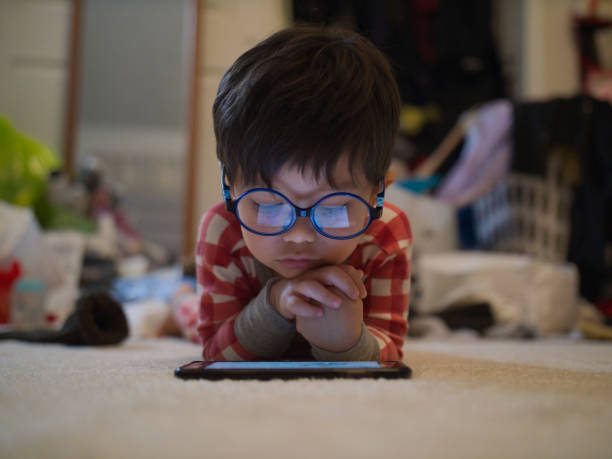
The executive order follows two laws addressing screens in Alabama schools.
First, lawmakers passed the FOCUS Act in 2025. The law prohibits student cellphone use in classrooms and requires local school boards to adopt internet safety policies.
In 2026, lawmakers passed the Healthy Early Development and Screen Time Act. That measure directs state agencies to create guidelines for appropriate screen use in early childhood education programs.
The law covers childcare facilities, prekindergarten programs, and kindergarten classrooms. In addition, it requires training for teachers and other employees who supervise children.
The Healthy Early Development and Screen Time Act takes effect January 1, 2027. Ivey signed the early childhood screen-time legislation in March.
Educators, Officials, and Researchers Join Commission
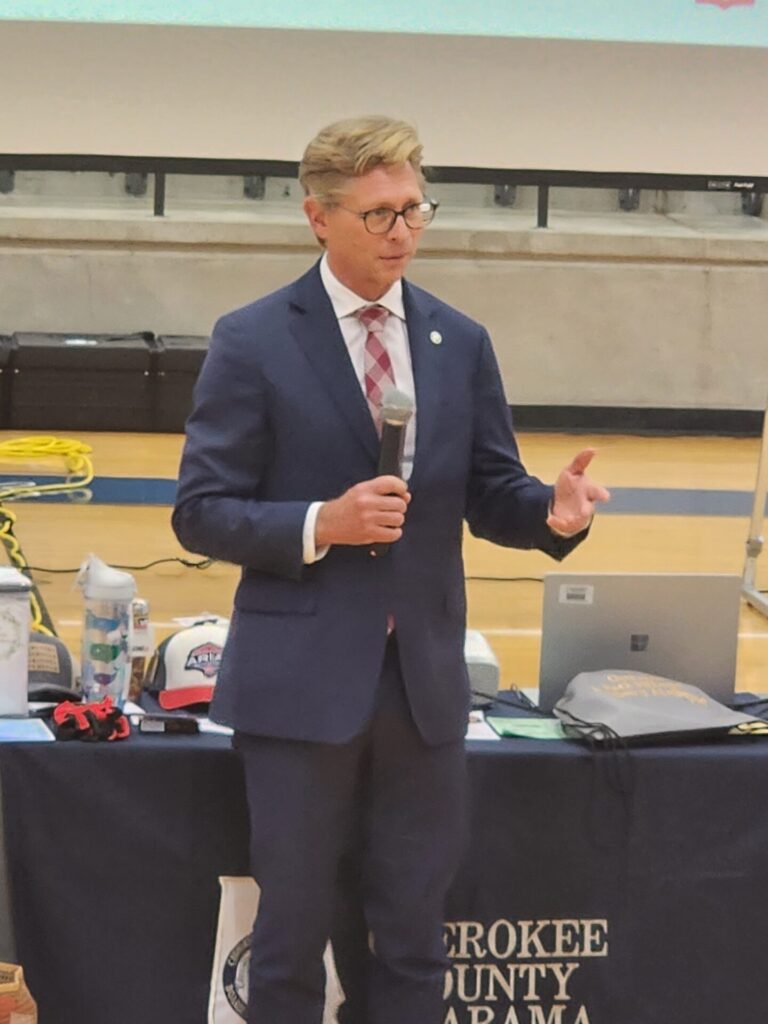
Ivey appointed state Rep. Jeana Ross to chair the commission. State Sen. Linda Coleman-Madison and State Superintendent of Education Dr. Eric Mackey will also serve.
The commission includes Mobile County elementary teacher Stephanie Pettis, Tuscaloosa middle school teacher Laren Hammonds, Opelika High School Principal Kelli Fischer, and Houston County Superintendent Brandy White.
Other members include State Department of Education specialist Misty Wilson and Saraland Assistant Superintendent Dr. Frankie Mathis. Dr. Nashedra Barry, a child psychologist with Children’s Hospital, will also participate.
Meanwhile, Brooke Gillis of Innovation Depot will represent parents. Tuscaloosa City Schools Technology Director Chris Jenks will represent school technology leaders.
Dr. Cailin Kerch, a University of Alabama clinical associate professor, will serve as the higher education researcher. Amanda Salazar of Manufacture Alabama will represent the workforce.
Findings Could Shape 2027 Legislation
The commission must submit its final report to the governor, Alabama Legislature, and State Board of Education by December 1.
Lawmakers may then use the commission’s findings when they consider screen-based instruction legislation during the 2027 legislative session.
Related Articles:
Governor Kay Ivey Signs Bill Requiring Ten Commandments Display in Certain Alabama Schools


You must be logged in to post a comment.