

Flash Flood Watch Serves as Reminder of Life-Saving Flood Safety Measures
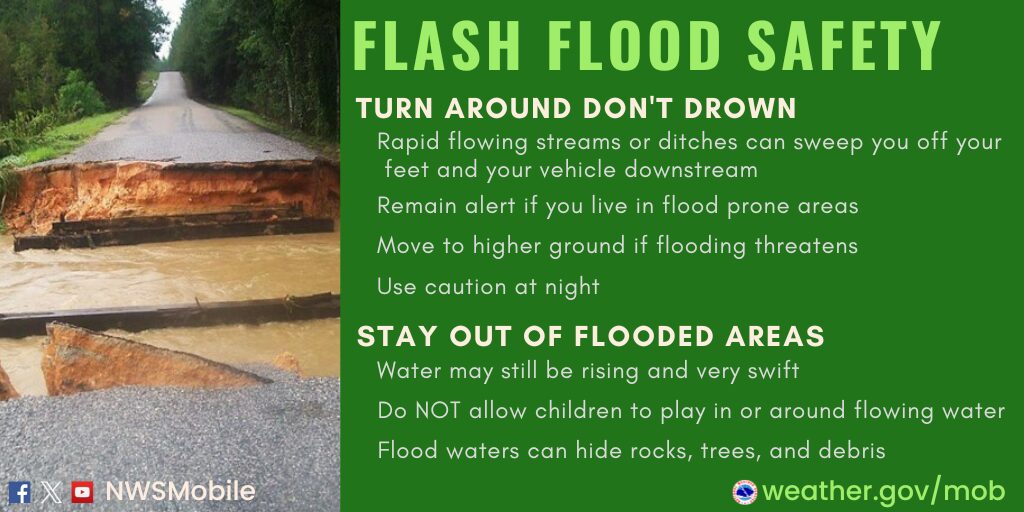
With a Flash Flood Watch in effect, officials are reminding residents that now is the time to review year-round flood safety practices that can save lives. Flash floods are among the most dangerous weather-related hazards and can develop with little warning, often within hours of excessive rainfall.
Flash floods occur suddenly and can quickly turn into raging torrents of water, tearing through neighborhoods, streets, valleys, and low-lying areas, sweeping away everything in their path. While heavy rainfall is the most common cause, flash flooding can also occur following a dam or levee failure. Any period of intense or prolonged rainfall should serve as a warning signal that dangerous flood conditions may develop.
There are three distinct alert levels associated with flash flooding, each carrying a different level of urgency:
A Flood Watch is issued when weather conditions are favorable for flash flooding. Watches typically cover several counties and are meant to prompt residents to stay alert, monitor forecasts, and begin thinking about a plan of action. This includes knowing where you would go and what you would do if water begins to rise.
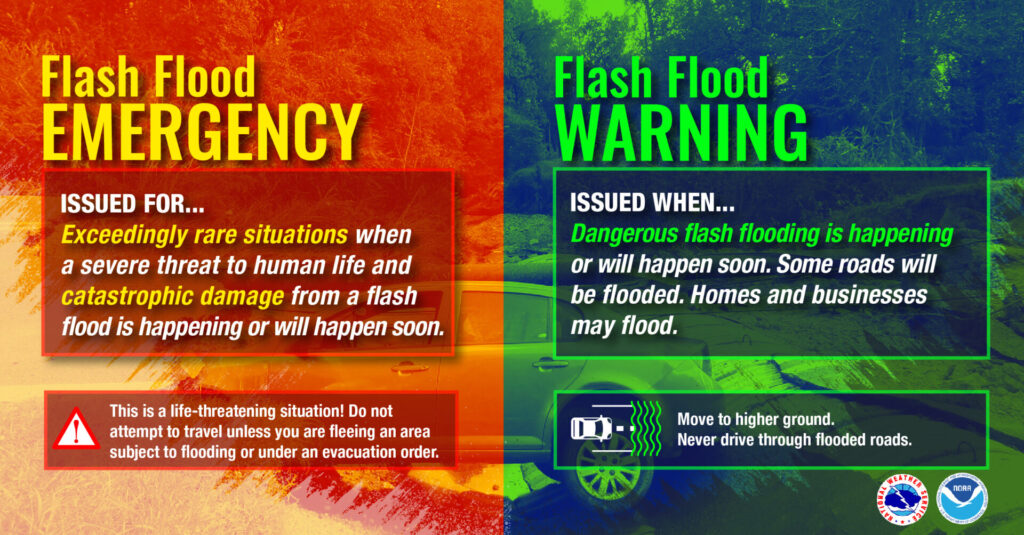
A Flash Flood Warning is issued when dangerous flash flooding is occurring or is expected to occur soon. Warnings are more specific and usually apply to a smaller area. They may be issued due to excessive rainfall or a dam or levee failure. When a warning is issued, immediate action is required. Flash floods can escalate rapidly, and residents may have only seconds to move to higher ground to protect themselves and their families.
A Flash Flood Emergency is issued only in exceedingly rare situations when extremely heavy rainfall is causing or is expected to cause catastrophic flooding and a severe threat to human life. In these cases, emergency officials are typically reporting life-threatening water rises, active water rescues, or evacuations already underway.
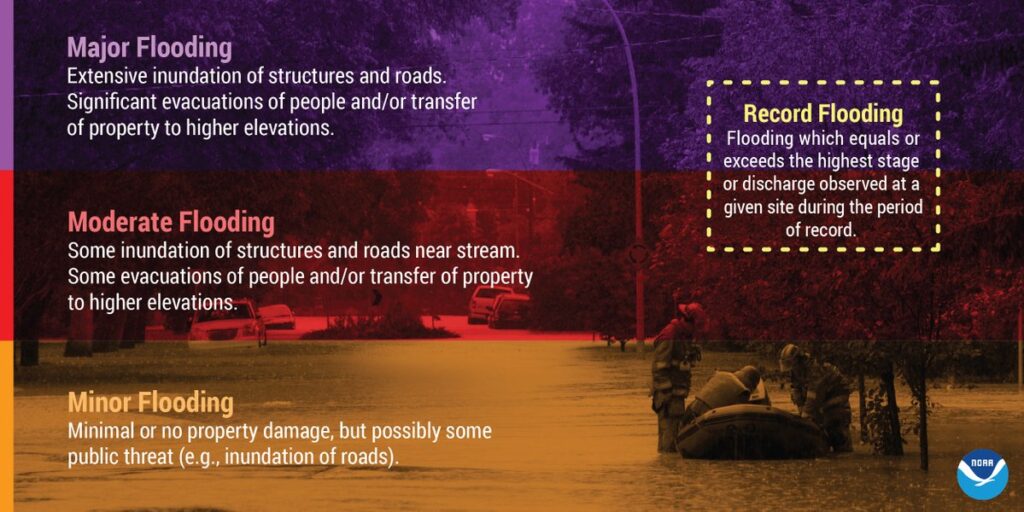
In addition to flash flooding, river flooding is also a concern during periods of heavy rainfall. River flooding occurs when rain and runoff fill river basins too quickly, causing rivers and creeks to overflow their banks. Residents who live or work near creeks, rivers, or other flood-prone areas should remain especially vigilant.
Safety officials emphasize several critical rules to follow during flood conditions:
During periods of heavy rain, stay away from flood-prone areas such as stream beds, drainage ditches, culverts, and low-lying crossings. If flooding threatens your area, move to higher ground immediately.
Remain alert if you live or work in areas prone to flooding, and be especially cautious at night, when it is much harder to recognize flood dangers.
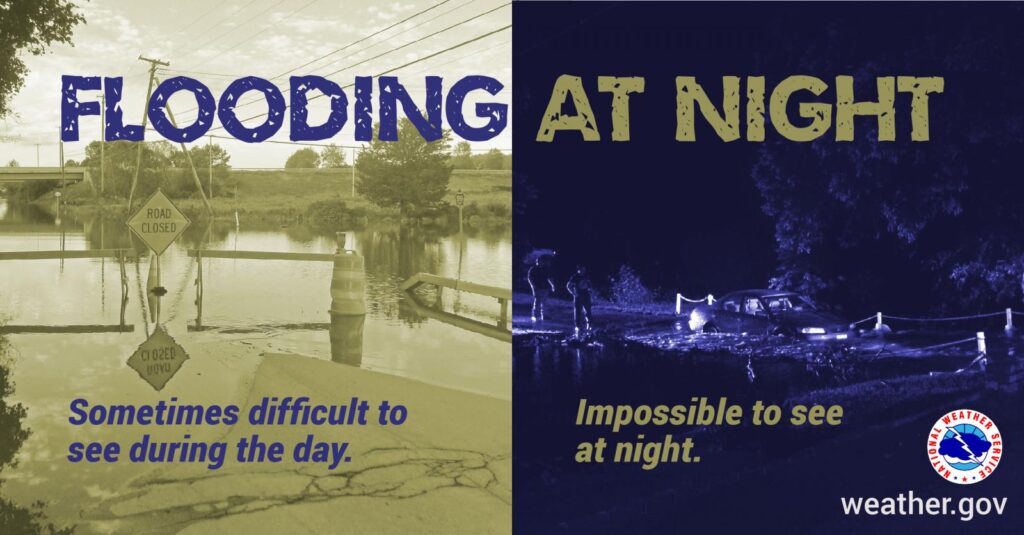
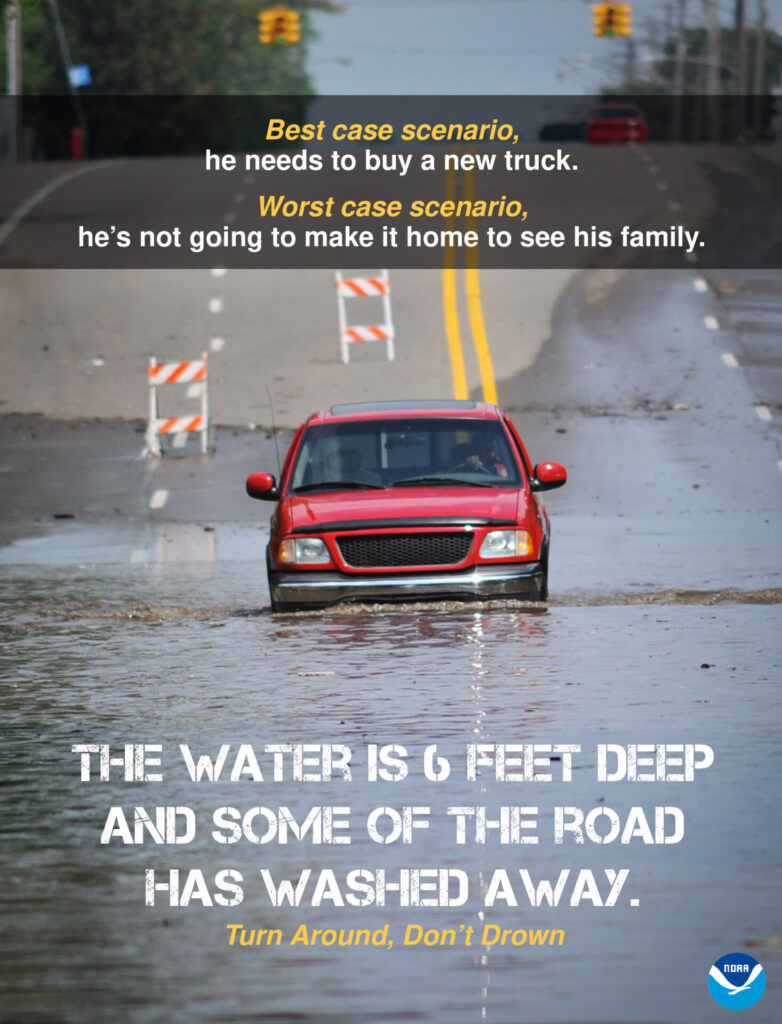
Never drive into water of unknown depth. The majority of flash flood-related deaths occur when people drive vehicles into flood waters. The slogan “Turn Around, Don’t Drown” is not just a saying—it is a proven life-saving message.
Children are particularly vulnerable and should never be allowed to play in or near flowing water. Flood waters can rise rapidly and contain powerful currents that are difficult even for adults to escape.
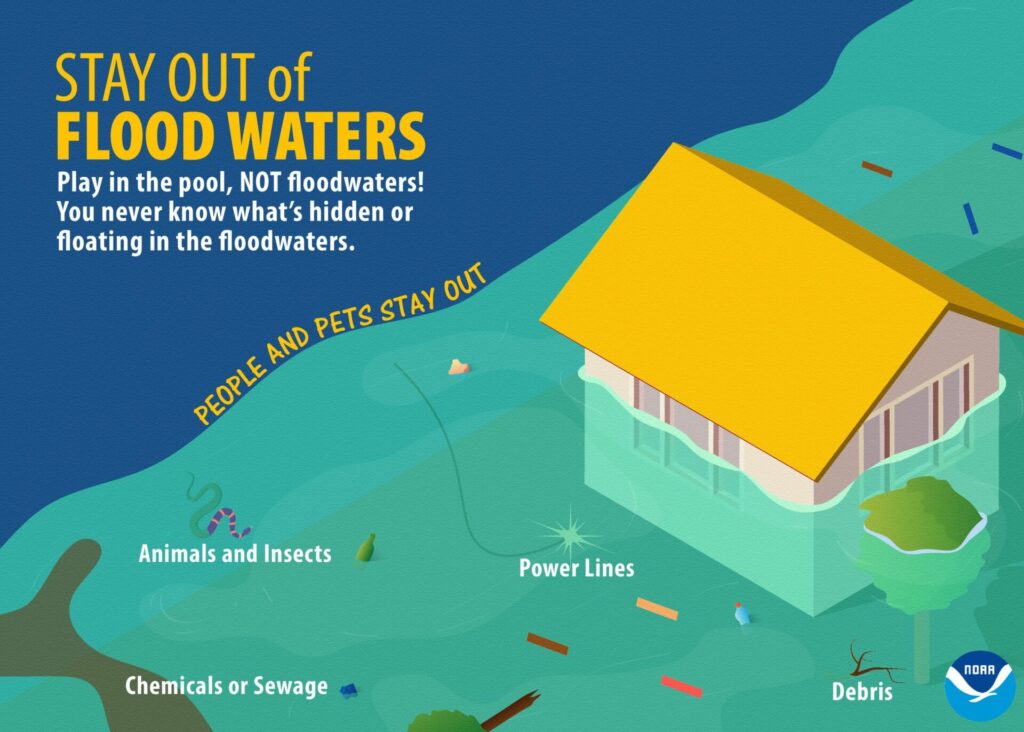
Water runoff from streets and parking lots can overwhelm both natural and man-made drainage systems, causing sudden and unexpected flooding. Flood waters often conceal rocks, trees, trash, and other debris that pose serious hazards to anyone caught in the water’s path.
Water is an extremely powerful force and should never be underestimated. Each year, more deaths occur due to flooding than from any other thunderstorm-related hazard. According to the Centers for Disease Control and Prevention, more than half of all flood-related drownings occur when vehicles are driven into hazardous flood waters. The next highest percentage of flood-related deaths occurs when individuals attempt to walk into or near flood waters.
Many flood-related deaths occur when vehicles are swept downstream, and many of these tragedies are preventable. Never drive around barricades or barriers blocking flooded roadways. The road beneath the water may be washed out or structurally compromised.
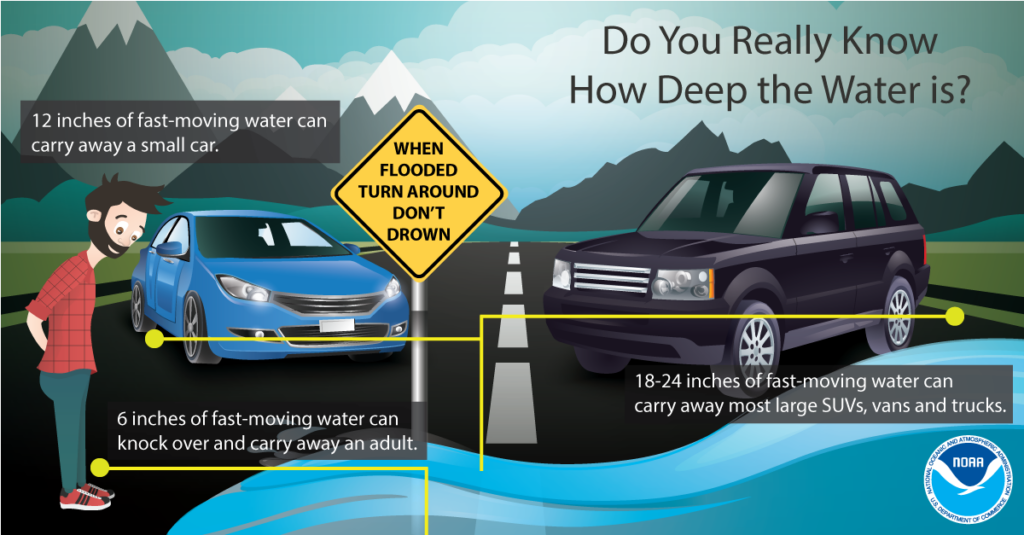
Even shallow water can be deadly. As little as six inches of fast-moving water can knock over an adult. Twelve inches of rushing water can carry away most cars, and just two feet of moving water can sweep away SUVs and trucks. It is never safe to drive or walk into flood waters.
If your vehicle stalls in flood waters, abandon it immediately and move to higher ground. Flood waters can rise rapidly, submerge the vehicle, and sweep it away.
Officials stress that residents should stay out of flooded areas entirely. Water levels may continue to rise, and fast-moving currents can easily sweep both people and vehicles downstream.
As flash flooding can occur quickly and without warning, preparedness and awareness are essential. Taking flood watches and warnings seriously, following safety guidance, and avoiding risky behavior around flood waters can make the difference between life and death.
https://weisradio.com/2026/01/08/nws-birmingham-warns-of-severe-storms-and-flooding-threat-fridaya/