

Cherokee County Chamber Celebrates 190 Years of History at January Meeting
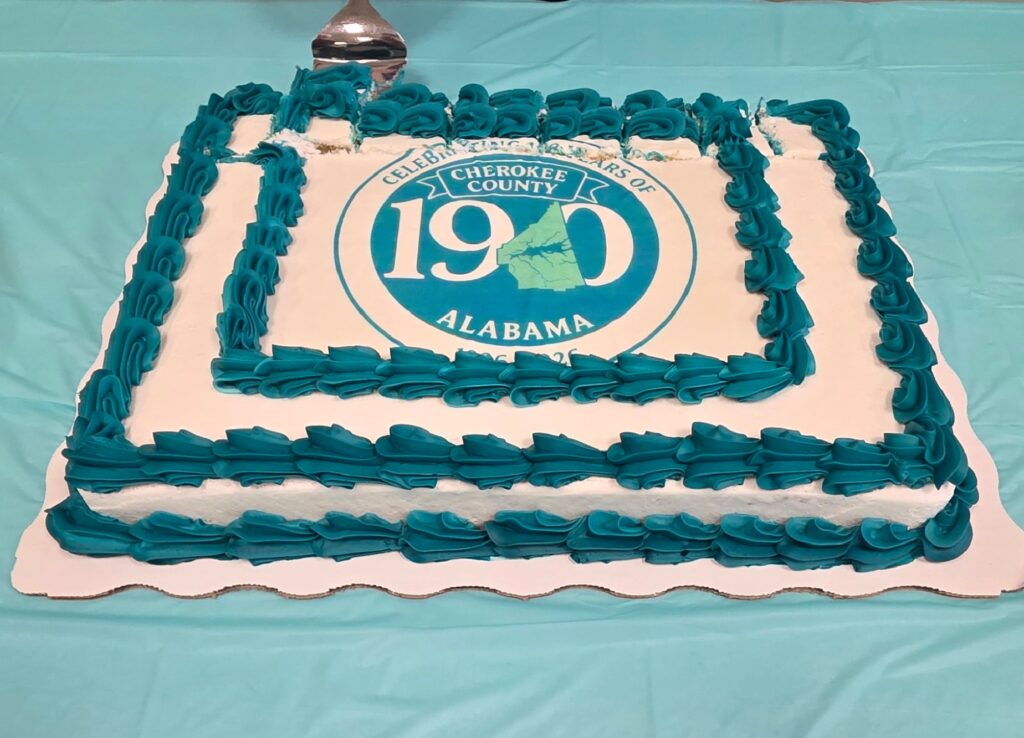
Centre — The Cherokee County Chamber of Commerce marked a milestone in local history Thursday morning as it celebrated the county’s 190th birthday during its January meeting, held at the Chamber Office on the campus of Gadsden State Cherokee.
The meeting, held on the second Thursday of each month and open to chamber members and the community, took on a special tone as attendees gathered to commemorate the founding of Cherokee County, which was officially established on January 9, 1836.
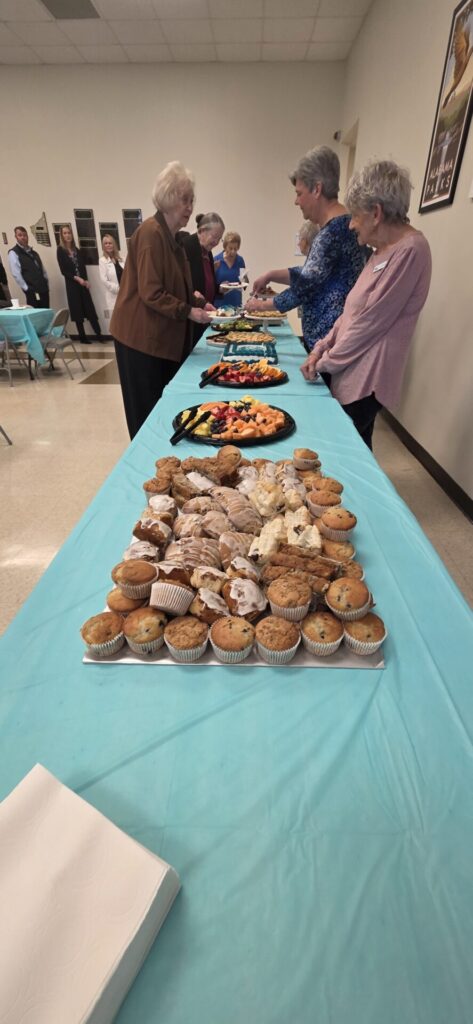
Chamber Chairman Beverly Edwards opened the meeting by recognizing board members and elected officials in attendance. Cherokee County Probate Judge Tim Burgess then led those present in the Pledge of Allegiance and offered a prayer, blessing the meal catered by Caroline’s Café of Collinsville.
Chamber Member Manager Leeann Lockridge followed with announcements highlighting upcoming events and activities, keeping members informed of opportunities across the county.

After a time of fellowship and networking over breakfast, Chamber Executive Director Joy Perry addressed the audience with a presentation reflecting on 190 years of Cherokee County history. Perry shared a slideshow featuring historic and modern images of prominent buildings, businesses, schools, community members, and major employers that have shaped the county over nearly two centuries. She noted that the photographs were gathered during time spent at the Cherokee County Historical Museum and said the experience offered a meaningful opportunity to reflect on the county’s growth and resilience.
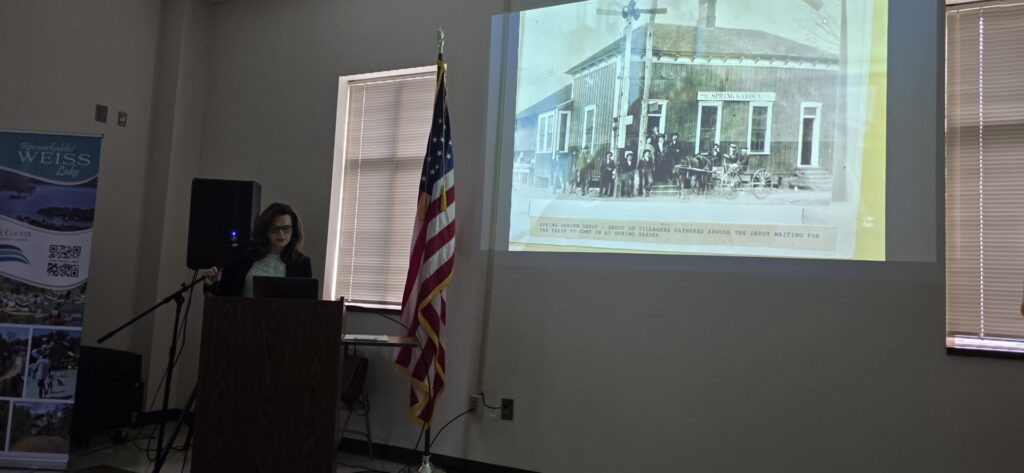
Perry also spoke about the importance of Weiss Lake to the area and its lasting economic impact, emphasizing how natural resources have played a vital role in the county’s development.
Cherokee County was established on January 9, 1836, and named for the Cherokee Nation, which controlled the territory until the 1835 Treaty of New Echota. A significant and solemn part of the county’s history includes the forced removal of the Cherokee people during the Trail of Tears in 1838.
Historically, the region was first home to the Muscogee (Creek) Nation, followed by the Cherokee people, who settled in the area in the generation before their removal. Notable figures include the Cherokee chief Pathkiller, who lived in Turkeytown near present-day Centre.
The county was created by the Alabama Legislature following the controversial Treaty of New Echota, in which a small, unauthorized group of Cherokees ceded most of their land to the U.S. government. The original county seat was Jefferson, later renamed Cedar Bluff. In 1844, following a vote by residents, the county seat was relocated to its more central location, Centre.
During the Civil War, Cherokee County was an important hub for iron manufacturing, with facilities such as the Cornwall Furnace in Cedar Bluff supplying materials to the Confederacy. In the years following the war, the local economy shifted primarily toward agriculture and timber.
More recent history includes the devastating F4 tornado that struck the county on Palm Sunday, March 27, 1994, destroying Goshen United Methodist Church and claiming 22 lives — an event that remains a defining moment in the community’s collective memory.
Today, Cherokee County is known for its natural beauty and attractions, including Weiss Lake, widely recognized as the “Crappie Capital of the World,” Little River Canyon, and the Cherokee County Historical Museum in Centre. The county encompasses 553 square miles and, according to the 2020 Census estimate, is home to approximately 26,035 residents.
Following the historic presentation, attendees joined together to sing “Happy Birthday” in honor of Cherokee County’s 190th anniversary.
The Chamber encouraged residents to join in recognizing and celebrating 190 years of Cherokee County history throughout the week, honoring the past while looking ahead to the future of the community.