
Veterans Day: Honoring the Few Who Served for the Many
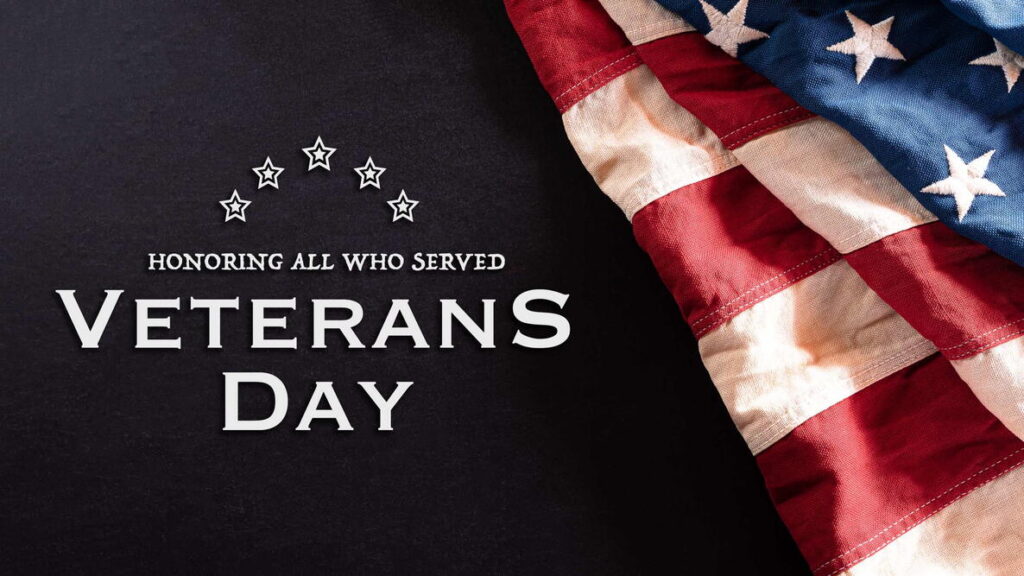
Veterans Day, observed each year on November 11, stands as one of America’s most meaningful and unifying national holidays. It is a day set aside to honor all men and women who have served in the United States Armed Forces — those who have worn the uniform in times of war and peace, who have stood watch at home and abroad, and who have answered the call to defend freedom and democracy around the world.
What began more than a century ago as a solemn commemoration of the end of World War I has grown into a day of reflection, gratitude, and national pride. Veterans Day is not only about remembering the past but also about recognizing the continuing sacrifice of the living — those veterans who walk among us every day as neighbors, coworkers, parents, and friends.
From Armistice to Veterans Day
The origins of Veterans Day date back to November 11, 1919 — the first anniversary of the armistice that ended World War I. Known then as Armistice Day, it was established by President Woodrow Wilson, who called upon Americans to reflect “with solemn pride in the heroism of those who died in the country’s service and with gratitude for the victory.”
World War I — “the war to end all wars” — officially concluded when the Treaty of Versailles was signed on June 28, 1919, in France. But the fighting had ceased months earlier when an armistice between the Allied nations and Germany took effect on the eleventh hour of the eleventh day of the eleventh month — November 11, 1918.
For years, Armistice Day was a day of parades, ceremonies, and moments of silence at 11 a.m. to honor those who served in World War I. But after the immense sacrifices of World War II and the Korean War, the nation recognized the need for a broader commemoration — one that would honor all American veterans, not just those who fought in the First World War.
In 1954, President Dwight D. Eisenhower signed legislation officially changing the name from Armistice Day to Veterans Day. His proclamation called upon “all veterans, all veterans’ organizations, and the entire citizenry” to unite in the common purpose of honoring every American who has served in uniform.
Key Milestones in the Evolution of Veterans Day
-
1918: The armistice ending World War I is signed, marking the cessation of hostilities.
-
1919: President Wilson proclaims the first Armistice Day on November 11.
-
1938: Congress declares November 11 a legal holiday, dedicated to the cause of world peace and honoring World War I veterans.
-
1954: After World War II and Korea, the holiday is renamed Veterans Day to honor veterans of all wars.
-
1968: The Uniform Holiday Bill moves Veterans Day to the fourth Monday in October to create a three-day weekend.
-
1975: President Gerald R. Ford signs a law returning Veterans Day to November 11, beginning in 1978, to preserve its historical and patriotic significance.
A Day for All Who Served
Today, Veterans Day is distinct from Memorial Day, which honors those who died in military service. Veterans Day recognizes all U.S. service members — living and deceased — who have served honorably in the Army, Navy, Air Force, Marine Corps, Coast Guard, and Space Force.
Each year, a national ceremony is held at the Tomb of the Unknown Soldier in Arlington National Cemetery. The President of the United States or a designated representative lays a wreath at the tomb in a moving tribute to all who have served. Across the nation, communities large and small observe the day with parades, flag ceremonies, school programs, and moments of reflection.
Honoring Through Action
While Veterans Day is a federal holiday marked by remembrance, it also serves as a call to action — an opportunity for Americans to show appreciation through meaningful engagement.
Simple gestures such as saying “thank you for your service,” writing a note of gratitude, or listening to a veteran’s story can make a lasting impact. Many communities encourage participation in local parades or visits to VA hospitals.
Others choose to volunteer with organizations that support veterans, such as the Wounded Warrior Project, USO, or local veterans service offices. Donating to veteran-focused charities, supporting veteran-owned businesses, or mentoring veterans as they transition to civilian life are also powerful ways to give back.
A Legacy of Service and Sacrifice
There are more than 18 million veterans living in the United States today — roughly six percent of the population. They come from every background, represent every generation, and share a common bond forged through service and sacrifice.
From the muddy trenches of World War I to the beaches of Normandy, from the mountains of Afghanistan to the deserts of Iraq, American veterans have defended liberty across the globe. Their service has ensured that the freedoms enshrined in the Constitution remain secure for generations to come.
As the years pass, the way the nation celebrates Veterans Day may evolve, but the spirit of the day remains unchanged. It is a time to pause, reflect, and express gratitude — not just in words, but in actions that honor the courage, dedication, and resilience of those who have served.
Preserving the Meaning of November 11
When Congress and President Ford restored Veterans Day to its original November 11 observance in 1978, it reaffirmed the date’s deep historical significance. The decision ensured that the nation’s remembrance would always coincide with the moment peace was first restored after the Great War.
Veterans Day stands as a reminder that freedom is never free — it is earned and preserved by the few who answer the call to serve.
As communities gather, flags wave, and tributes are read across the country this Veterans Day, Americans are encouraged to take a moment not only to say “thank you,” but to truly reflect on the meaning behind the words.
Veterans Day is, at its heart, a celebration of courage, patriotism, and unity — a day to honor all who have worn the uniform of the United States with pride and purpose.


You must be logged in to post a comment.